2 minute read
Reports this morning are speculating that new accounting rules will allow JPMorgan Chase & Co. (JPM) to gain an additional $29bn over the life of certain Washington Mutual loans, as shareholders in the seized bank are joining forces to criticize the handling of the entire affair. JPMorgan purchased WaMu assets when federal regulators seized the bank back in September. Now, new rules allow for fair value accounting to determine the worth of underlying collateral, though it is unclear at this point what type of assets are involved in these loans. Previously, JPMorgan would need to declare the value of those assets according to its value in the market. Considering the troubled nature of financials, the latter method is arguably more volatile. Using the former method, however, JPMorgan is able to mark down $118.2bn of assets by 25% equally and, as of yet, unrecorded $29.1m in pretax income over the life of the loan, according to Bloomberg. This morning, WaMu shareholders put out a joint statement declaring a rising concern on the way the feds are handling the seized bank. According to the text, they feel the regulators are setting dangerous precedents that will adversely affect the banking sector in the foreseeable future and these actions not just affect individual shareholders, but the financial sector in general. “The FDIC’s fire-sale of Washington Mutual assets to JPMorgan changed the game for potential buyers of banks,” says the statement. “The new rule seems to be: Get regulators to place the bank into receivership in order to buy the assets at a fire-sale price.” The shareholders justify their stance by saying the same mishandling is happening in Florida, at BankUnited Financial Corp. (BKUNA): “Bidders for BankUnited Financial Corp waited on the side lines, hoping for the new form of behind the scenes bailout being offered by the FDIC–assets on the cheap. This has the potential to leave bondholders and shareholders out in the cold, just as was done with Washington Mutual Bank.” A shareholder at BankUnited told HousingWire that he “criticized the FDIC and the new appointed members of the board of directors,” at a meeting discussing the takeover of the bank. “Why couldn’t the board look after the interest of the shareholders?” he asks. “They have an obligation and a fiduciary duty to look after the interest of the shareholders and they simply failed to do so.” “We feel that the FDIC should give a small bone to the shareholders and avoid a future lawsuit, something very similar what happened to the takeover of Wachovia Bank with Wells Fargo Bank,” he adds. “Unfortunately this did not happen and I am afraid that there will be lawsuits forthcoming.” Write to Jacob Gaffney.

Jacob Gaffney is formerly Editor-in-Chief of HousingWire and HousingWire.com. He previously covered securitization for Reuters and Source Media in London before returning to the United States in 2009. While in Europe for nearly a decade, he covered bank loans and the high yield market, in addition to commercial paper, student loan, auto and credit card space(s).see full bio
Most Popular Articles
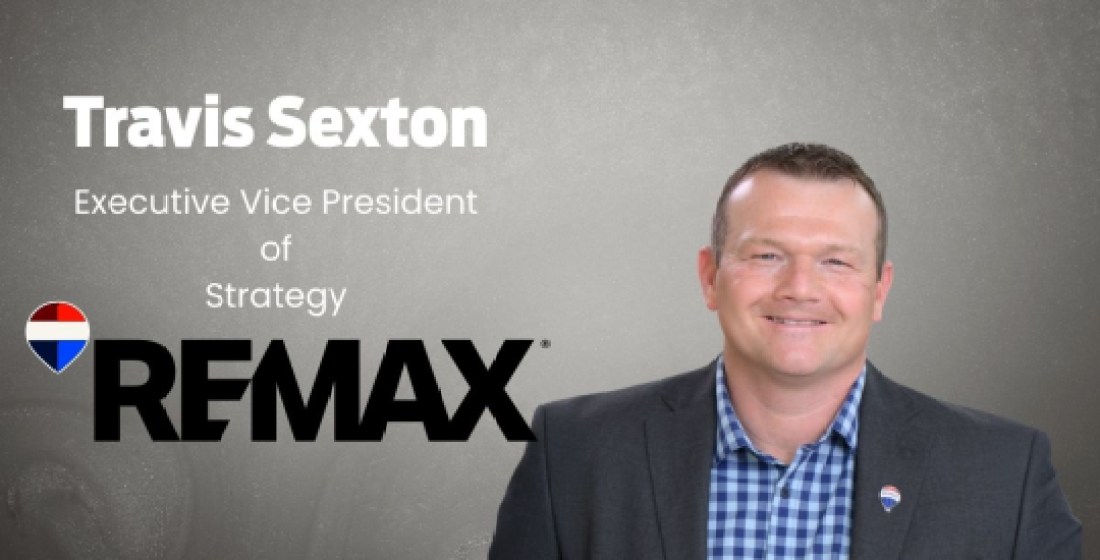
RE/MAX accelerates real estate innovation with AI and technology
RE/MAX is accelerating the integration of AI and cutting-edge technology to transform how agents engage with clients, generate leads, and deliver results. Initiatives like Max AI, MaxRefer, MaxEngage, and HomeView leverage real-time data, personalized marketing, and AI-driven tools to streamline the homeownership experience and empower its agents. Leading this innovation is Travis Saxton, EVP of Strategy at RE/MAX, who has spearheaded the rollout of these technologies, including AI-powered training through Sky AI and SkyStudio, redefining the future of real estate by combining human connection with next-generation tools.
Nov 17, 2025 3:44 am
Latest Articles

From resilience to antifragility: Rethinking cybersecurity for real estate and mortgage professionals
In information security, we’ve long spoken about resilience. The goal has been to withstand an attack, recover quickly, and return to business as usual. But in today’s environment—where attackers adapt and evolve daily—resilience is no longer enough. We must go further. We must embrace antifragility.
-
From local to global: RE/MAX’s Chris Lim on the next era of real estate relationships
-
Stop marketing like it’s 2008: You’re invisible
-
RE/MAX accelerates real estate innovation with AI and technology
-
Retirement plans for small-business owners have visible generational gaps
-
VA loans rise as housing market shifts toward buyers
Jacob Gaffney is formerly Editor-in-Chief of HousingWire and HousingWire.com. He previously covered securitization for Reuters and Source Media in London before returning to the United States in 2009. While in Europe for nearly a decade, he covered bank loans and the high yield market, in addition to commercial paper, student loan, auto and credit card space(s).see full bio