

 2 minute read
The Federal Reserve Board formed two new interest rates effective for loans extended under the Term Asset-Backed Securities Loan Facility (TALF), the Fed announced Tuesday. The rates apply to certain loans, vintage 2009, secured by asset-backed securities (ABS) with average lives-to-maturity of less than two years. The Fed bases the new rates on one- and two-year London interbank offered (LIBOR) swap rates, which should better match the duration of underlying ABS collateral. The new rates are slated to take effect for the May TALF funding and apply to fixed-rate TALF loans secured by non-government-guaranteed ABS. The interest rate for TALF loans secured by ABS with average lives-to-maturity of less than one year will be the one-year LIBOR swap rate +100bps, the Fed said. The interest rate for loans secured by ABS with average lives-to-maturity between one year and two years will be the two-year LIBOR swap rate +100bps. The current three-year LIBOR swap rate +100bps continues to apply to loans secured by ABS with average lives-to-maturity of two years or more. TALF recently expanded to include new ABS categories, such as auto loans and credit cards, but regulators made no other major changes to the federal program since its inception. The Fed and Treasury Department jointly launched TALF in early March, and the program has faced criticism since. One credit-rating agency went so far as to say regulators must re-vamp TALF for it to attract junior investors and encourage new issuance. TALF, as it stands, is unlikely to meaningfully impact the currently tight credit markets, Moody’s Investor’s Service found in its recent report. The program will not “gain significant momentum” until the terms are widened to apply to other securities, and therefore the wider investor playground, including pre-2009 triple-A rated commercial mortgage-backed securities (CMBS) and residential mortgage-backed securities (RMBS). Currently TALF only covers triple-A consumer assets originated for securitization in 2009. Write to Diana Golobay at diana.golobay@housingwire.com.

Diana Golobay was a reporter with HousingWire through mid-2010, providing wide-ranging coverage of the U.S. financial crisis. She has since moved onto other roles as a writer and editor.see full bio
Most Popular Articles
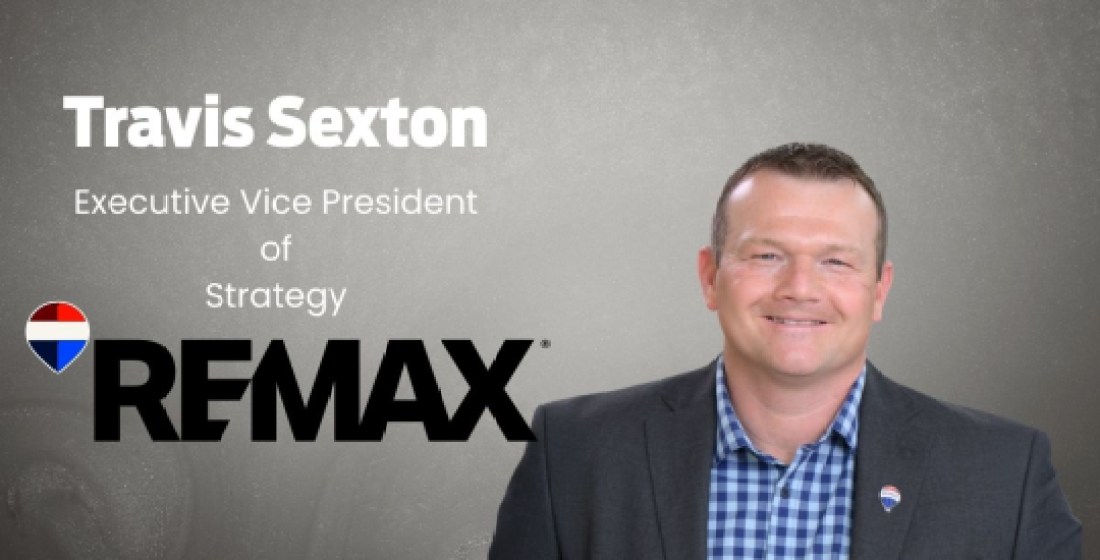
RE/MAX accelerates real estate innovation with AI and technology
RE/MAX is accelerating the integration of AI and cutting-edge technology to transform how agents engage with clients, generate leads, and deliver results. Initiatives like Max AI, MaxRefer, MaxEngage, and HomeView leverage real-time data, personalized marketing, and AI-driven tools to streamline the homeownership experience and empower its agents. Leading this innovation is Travis Saxton, EVP of Strategy at RE/MAX, who has spearheaded the rollout of these technologies, including AI-powered training through Sky AI and SkyStudio, redefining the future of real estate by combining human connection with next-generation tools.
Nov 17, 2025 3:44 am
Latest Articles

From resilience to antifragility: Rethinking cybersecurity for real estate and mortgage professionals
In information security, we’ve long spoken about resilience. The goal has been to withstand an attack, recover quickly, and return to business as usual. But in today’s environment—where attackers adapt and evolve daily—resilience is no longer enough. We must go further. We must embrace antifragility.
-
From local to global: RE/MAX’s Chris Lim on the next era of real estate relationships
-
Stop marketing like it’s 2008: You’re invisible
-
RE/MAX accelerates real estate innovation with AI and technology
-
Retirement plans for small-business owners have visible generational gaps
-
VA loans rise as housing market shifts toward buyers
Diana Golobay was a reporter with HousingWire through mid-2010, providing wide-ranging coverage of the U.S. financial crisis. She has since moved onto other roles as a writer and editor.see full bio


