
 2 minute read
French investment bank Société Générale recommended selling the dollar as the first part of a stream of advice to its clients on preparing for a “global economic collapse.” A declining dollar might provide a means to reducing global imbalances, the firm said in a report written by seven individuals to investors. US government debt is approaching 100% of gross domestic product (GDP) by the end of fiscal year 2010, with further increases in public expenditure expected into 2011, SocGen said. With this explosion of public debt, the current economic crisis in the us is drawing similarities with Japan in the ’90s. A return to recession at this point would mirror Japan’s “lost decade.” “Our central economic scenario assumes a slow recovery for the global economy, but with government debt at all-time highs, in this report we spend some time taking a hard look at the downside risks,” wrote the report’s authors, led by product manager Daniel Fermon. “Using debt as the key variable we also draw up two alternative economic scenarios (bull and bear) and consider the implications for strategic asset recommendations.” The bearish scenario and predicted collapse will not necessarily happen, but it represents a worst-case scenario. SocGen urged its clients to “hope for the best [and] be prepared for the worst.” The firm remains positive on fixed income and prefers defensive corporates like telecommunication and utilities that have the lowest risk of transitioning into high-yield and should continue to perform in a more risk-averse environment. SocGen also recommended selling European equities, since markets have priced an economic recovery by the end of fiscal year 2010. Under a bearish scenario, however, that optimism might fade when fiscal stimulus dries up. The firm urged clients to cherry-pick commodities, given the asset class’s diverse nature. Agricultural commodities look positioned to fare the best, but forecasting is difficult considering the high exposure to weather conditions. The firm said mining commodities can be used to hedge against a softening dollar. Write to Diana Golobay.

Diana Golobay was a reporter with HousingWire through mid-2010, providing wide-ranging coverage of the U.S. financial crisis. She has since moved onto other roles as a writer and editor.see full bio
Most Popular Articles
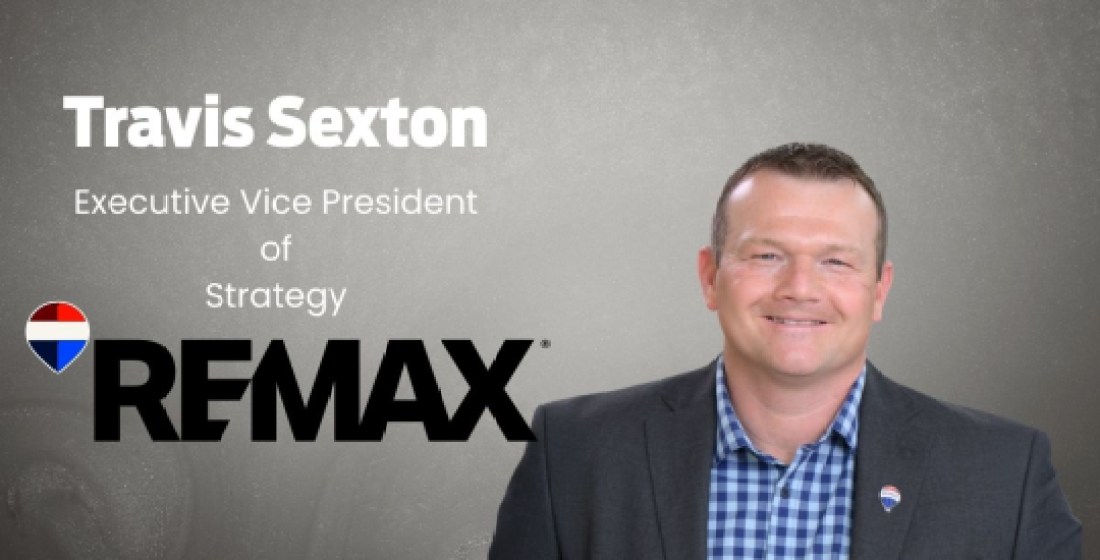
RE/MAX accelerates real estate innovation with AI and technology
RE/MAX is accelerating the integration of AI and cutting-edge technology to transform how agents engage with clients, generate leads, and deliver results. Initiatives like Max AI, MaxRefer, MaxEngage, and HomeView leverage real-time data, personalized marketing, and AI-driven tools to streamline the homeownership experience and empower its agents. Leading this innovation is Travis Saxton, EVP of Strategy at RE/MAX, who has spearheaded the rollout of these technologies, including AI-powered training through Sky AI and SkyStudio, redefining the future of real estate by combining human connection with next-generation tools.
Nov 17, 2025 3:44 am
Latest Articles

From resilience to antifragility: Rethinking cybersecurity for real estate and mortgage professionals
In information security, we’ve long spoken about resilience. The goal has been to withstand an attack, recover quickly, and return to business as usual. But in today’s environment—where attackers adapt and evolve daily—resilience is no longer enough. We must go further. We must embrace antifragility.
-
From local to global: RE/MAX’s Chris Lim on the next era of real estate relationships
-
Stop marketing like it’s 2008: You’re invisible
-
RE/MAX accelerates real estate innovation with AI and technology
-
Retirement plans for small-business owners have visible generational gaps
-
VA loans rise as housing market shifts toward buyers
Diana Golobay was a reporter with HousingWire through mid-2010, providing wide-ranging coverage of the U.S. financial crisis. She has since moved onto other roles as a writer and editor.see full bio