While subprime-related write-downs have been — and will likely continue to be — prevalent among many banks’ earnings releases, the subprime and related mortgage mess has been mostly an issue for larger banks. National banks including the likes of Washington Mutual, Wachovia, Bank of America, Wells Fargo and others have had to absorb the effects of the industry downturn to a greater extent than mid-size and community banks. A new report released Monday by credit rating agency A.M Best, however, found that credit risk may quickly be beating a path to the door of smaller regional and community banks. In particular, with the exception of some states — notably Texas — the agency warned that “a pattern of distinct regional credit issues is emerging that is reminiscent of the real estate crisis in the mid-1980s.” “Smaller banks are directly or indirectly facing credit problems with consumer mortgages, similar to the largest 200 banks,” the report said. But when disregarding the largest 200 banks, commercial real estate risk becomes the leading contributing factor to credit risk for mid-size and small banks, A.M. Best said. Construction & land development loans, corporate & industrial loans, credit cards, multi-family residential loans and commercial real estate loans are all high-risk areas in smaller banks’ credit portfolios, according to the report. For the smaller banks below the top 200 institutions, high nonperforming asset rates are concentrated in the Midwestern, Central, Southeastern and West Coast regions; Alaska, Arizona and Arkansas rank as the worst three states on overall asset quality. For more information, visit http://www.bestweek.com.
 1 minute read
Smaller Banks Face Growing Commercial Real Estate Risk: Report
April 7, 2008, 1:58pm

Paul Jackson is the former publisher and CEO at HousingWire.see full bio
Most Popular Articles
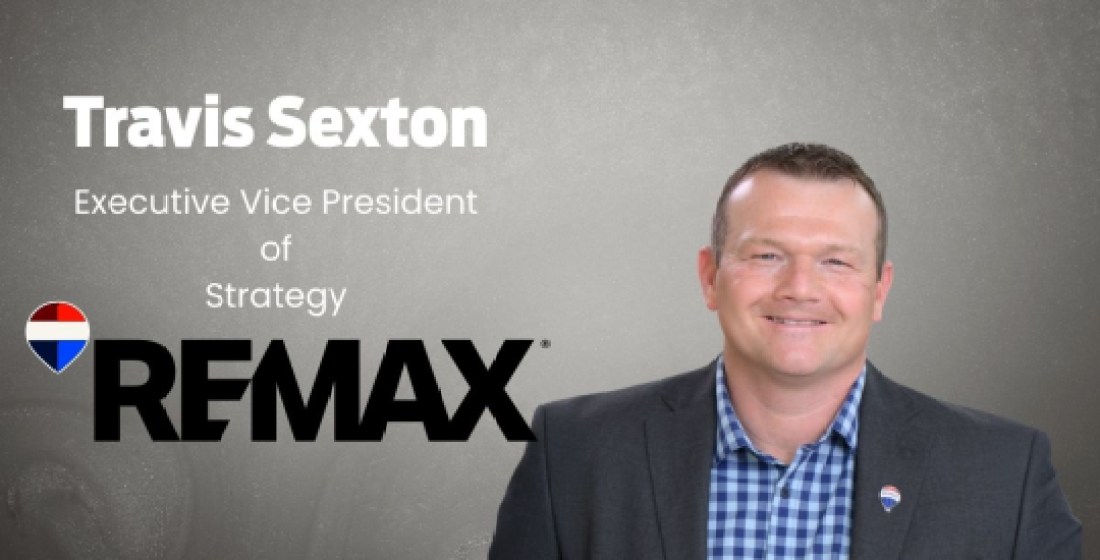
RE/MAX accelerates real estate innovation with AI and technology
RE/MAX is accelerating the integration of AI and cutting-edge technology to transform how agents engage with clients, generate leads, and deliver results. Initiatives like Max AI, MaxRefer, MaxEngage, and HomeView leverage real-time data, personalized marketing, and AI-driven tools to streamline the homeownership experience and empower its agents. Leading this innovation is Travis Saxton, EVP of Strategy at RE/MAX, who has spearheaded the rollout of these technologies, including AI-powered training through Sky AI and SkyStudio, redefining the future of real estate by combining human connection with next-generation tools.
Nov 17, 2025 3:44 am
Latest Articles

From resilience to antifragility: Rethinking cybersecurity for real estate and mortgage professionals
In information security, we’ve long spoken about resilience. The goal has been to withstand an attack, recover quickly, and return to business as usual. But in today’s environment—where attackers adapt and evolve daily—resilience is no longer enough. We must go further. We must embrace antifragility.
-
From local to global: RE/MAX’s Chris Lim on the next era of real estate relationships
-
Stop marketing like it’s 2008: You’re invisible
-
RE/MAX accelerates real estate innovation with AI and technology
-
Retirement plans for small-business owners have visible generational gaps
-
VA loans rise as housing market shifts toward buyers
Paul Jackson is the former publisher and CEO at HousingWire.see full bio