

 1 minute read
The PMI Group, Inc. said in an SEC filing Monday morning that its U.S.-based mortgage insurer, PMI Mortgage Insurance Co., will no longer offer mortgage insurance on loans at 97 percent loan-to-value or greater, as part of new guidelines that go into effect March 1. Loans financed at 100 percent LTV, or near to it, have been cited as problematic by many industry sources. As housing prices continue to fall, many highly-leveraged borrowers have found themselves owing more than their house is worth, providing an incentive for some to voluntarily walk away from their homes. The move comes one week after rival mortgage insurer MGIC Investment Corp. announced dramatic changes to its underwriting programs that it said would “negatively impact” its book of new insurance written. PMI said that 32 percent of its primary new insurance written during 2007 was for loans where LTV was greater than 97 percent; 21 percent of insurance written in the fourth quarter was tied to such highly-leveraged mortgage lending. Obviously, this change will have a strong negative effect on revenues as 2008 progresses. PMI most recently reported a third quarter loss of $86.8 million, or $1.04 per share; fourth quarter results have yet to be released. For more information, visit http://www/pmi-us.com.

Paul Jackson is the former publisher and CEO at HousingWire.see full bio
Most Popular Articles
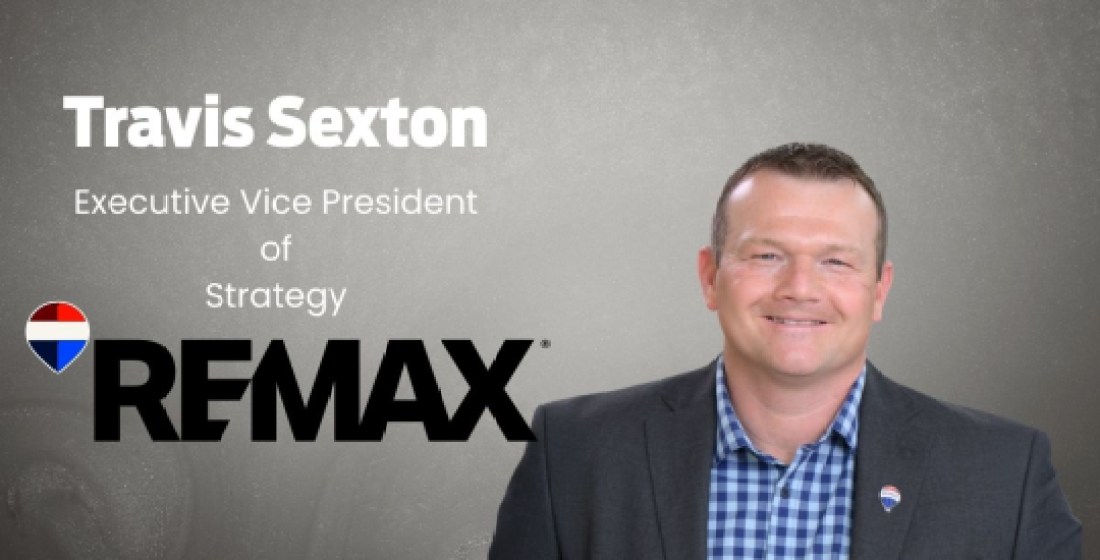
RE/MAX accelerates real estate innovation with AI and technology
RE/MAX is accelerating the integration of AI and cutting-edge technology to transform how agents engage with clients, generate leads, and deliver results. Initiatives like Max AI, MaxRefer, MaxEngage, and HomeView leverage real-time data, personalized marketing, and AI-driven tools to streamline the homeownership experience and empower its agents. Leading this innovation is Travis Saxton, EVP of Strategy at RE/MAX, who has spearheaded the rollout of these technologies, including AI-powered training through Sky AI and SkyStudio, redefining the future of real estate by combining human connection with next-generation tools.
Nov 17, 2025 3:44 am
Latest Articles

From resilience to antifragility: Rethinking cybersecurity for real estate and mortgage professionals
In information security, we’ve long spoken about resilience. The goal has been to withstand an attack, recover quickly, and return to business as usual. But in today’s environment—where attackers adapt and evolve daily—resilience is no longer enough. We must go further. We must embrace antifragility.
-
From local to global: RE/MAX’s Chris Lim on the next era of real estate relationships
-
Stop marketing like it’s 2008: You’re invisible
-
RE/MAX accelerates real estate innovation with AI and technology
-
Retirement plans for small-business owners have visible generational gaps
-
VA loans rise as housing market shifts toward buyers
Paul Jackson is the former publisher and CEO at HousingWire.see full bio


