

 1 minute read
As the financial and banking industry prepares for President Barack Obama’s formal proposal of regulatory overhaul, a report issued this week highlights one federal regulator’s actions preceding the costly failure of Downey Savings and Loan. The Office of Thrift Supervision (OTS) regularly monitored Downey, noting problems but failing to issue anything more than an informal enforcement action, according to a government watchdog. The Office of Inspector General (OIG) for the US Treasury Department this week published a report on the failure of Downey, which the OTS closed in November and which so far has cost the Federal Deposit Insurance Corp.’s insurance fund $1.4bn. OIG’s report concludes the Newport Beach-based thrift had high concentrations of pay-option adjustable-rate mortgages, low-doc and subprime loans among its single-family mortgages. Pay-option ARMs accounted for 91% of Downey’s single-family loans by year-end 2005. “The downturn in the California real estate market that started in 2006 exposed the risk in these loans and Downey suffered large losses and erosion of capital,” the report says. Single-family residential loans made up 86% of Downey’s assets in September 2008 and by then, 20% of its borrowers were more than 30 days delinquent. This concentration of risk combined with inadequate risk monitoring, a high management turnover rate and “unresponsiveness to OTS recommendations” — including instances where management often challenged OTS opinions — ultimately led to the thrift’s downfall, OIG found. The report notes OTS regularly examined the thrift but fell short of its own written guidance in issuing only an informal — rather than formal — enforcement act in 2006 in response to Downey’s trouble. OIG reserved some mild language concluding OTS should more closely review thrifts in the future. Write to Diana Golobay.

Diana Golobay was a reporter with HousingWire through mid-2010, providing wide-ranging coverage of the U.S. financial crisis. She has since moved onto other roles as a writer and editor.see full bio
Most Popular Articles
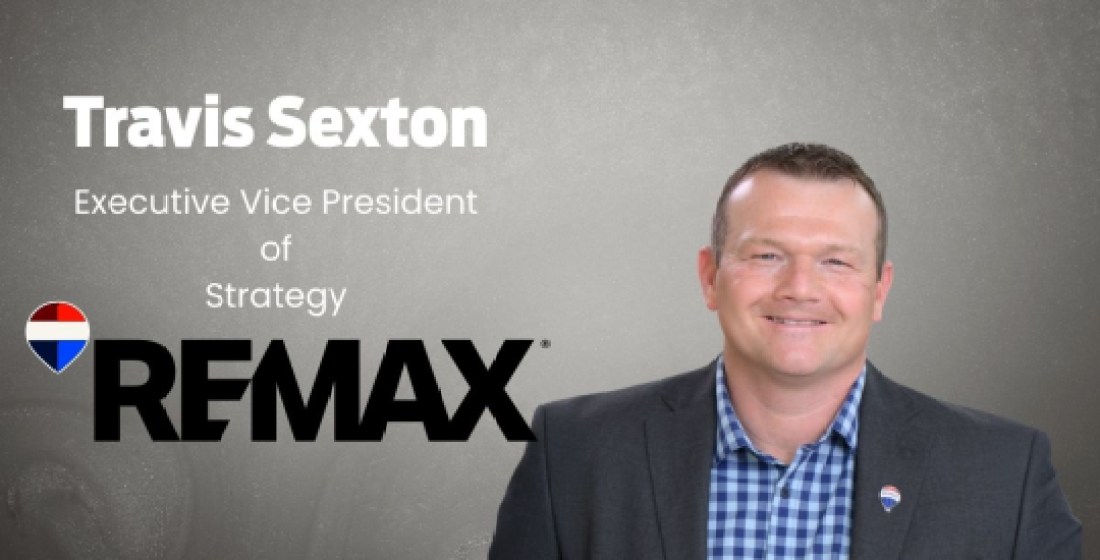
RE/MAX accelerates real estate innovation with AI and technology
RE/MAX is accelerating the integration of AI and cutting-edge technology to transform how agents engage with clients, generate leads, and deliver results. Initiatives like Max AI, MaxRefer, MaxEngage, and HomeView leverage real-time data, personalized marketing, and AI-driven tools to streamline the homeownership experience and empower its agents. Leading this innovation is Travis Saxton, EVP of Strategy at RE/MAX, who has spearheaded the rollout of these technologies, including AI-powered training through Sky AI and SkyStudio, redefining the future of real estate by combining human connection with next-generation tools.
Nov 17, 2025 3:44 am
Latest Articles

From resilience to antifragility: Rethinking cybersecurity for real estate and mortgage professionals
In information security, we’ve long spoken about resilience. The goal has been to withstand an attack, recover quickly, and return to business as usual. But in today’s environment—where attackers adapt and evolve daily—resilience is no longer enough. We must go further. We must embrace antifragility.
-
From local to global: RE/MAX’s Chris Lim on the next era of real estate relationships
-
Stop marketing like it’s 2008: You’re invisible
-
RE/MAX accelerates real estate innovation with AI and technology
-
Retirement plans for small-business owners have visible generational gaps
-
VA loans rise as housing market shifts toward buyers
Diana Golobay was a reporter with HousingWire through mid-2010, providing wide-ranging coverage of the U.S. financial crisis. She has since moved onto other roles as a writer and editor.see full bio


