

 2 minute read
Ohio Attorney General Richard Cordray’s office filed a joint lawsuit with Ohio’s Department of Commerce against Carrington Mortgage Services. The lawsuit alleges Carrington violated Ohio’s Consumer Sales Practices Act by not following through with a commitment it made to the state to provide mortgage modifications to distressed homeowners. The suit also claims Carrington failed to provide a written copy of its modification terms to the state and borrowers. “This lawsuit makes it clear that we have reached zero tolerance for this kind of behavior from loan servicers,” Cordray said in a statement. “We’ve tried to work with them, but now we must take action. I am determined to see that mortgage servicers step up, take responsibility and start making it right with Ohioans. No more excuses.” The modifications were promised in an agreement Carrington previously made with the AG and Commerce Department in January 2008 to resolve a dispute over its servicing practices in the state. According to that agreement, Carrington was to make good faith efforts to provide modifications to eligible homeowners. “Carrington Mortgage Services owes Ohio borrowers a fighting chance at avoiding foreclosure,” Kimberly Zurz, director of the Ohio Department of Commerce, said in a statement. “Mortgage lenders and servicers need to know that this type of negligence will not be tolerated in Ohio. We will hold them accountable for their actions.” This isn’t the first time Carrington has faces allegations of unfair practices. Consumer advocacy group Neighborhood Assistance Corporation of America called Carrington CEO Bruce Rose a “financial predator” and said the company refuses to work with homeowners. The lawsuit comes at the same time that Illinois Attorney General Lisa Madigan is pursuing a lawsuit against Wells Fargo (WFC), alleging Wells engaged in predatory lending practices and so-called “reverse redlining” — the practice of targeting low income and minority borrowers to sell overpriced financial products. A number of state attorney generals are investigating a variety of mortgage industry players, ranging from Connecticut’s June investigation of government-sponsored enterprises Fannie Mae (FNM) and Freddie Mac (FRE), to an AG-filed lawsuit in New York against American Modification Agency, as well as a myriad of cease and desist orders issued to alleged foreclosure rescue scam operations across the country. Write to Austin Kilgore.

Most Popular Articles
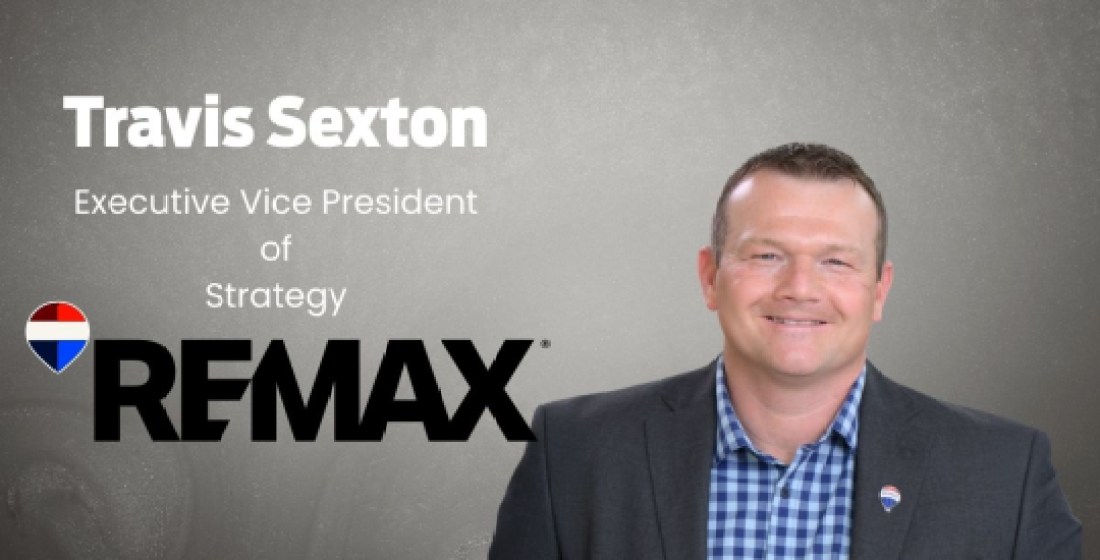
RE/MAX accelerates real estate innovation with AI and technology
RE/MAX is accelerating the integration of AI and cutting-edge technology to transform how agents engage with clients, generate leads, and deliver results. Initiatives like Max AI, MaxRefer, MaxEngage, and HomeView leverage real-time data, personalized marketing, and AI-driven tools to streamline the homeownership experience and empower its agents. Leading this innovation is Travis Saxton, EVP of Strategy at RE/MAX, who has spearheaded the rollout of these technologies, including AI-powered training through Sky AI and SkyStudio, redefining the future of real estate by combining human connection with next-generation tools.
Nov 17, 2025 3:44 am
Latest Articles

From resilience to antifragility: Rethinking cybersecurity for real estate and mortgage professionals
In information security, we’ve long spoken about resilience. The goal has been to withstand an attack, recover quickly, and return to business as usual. But in today’s environment—where attackers adapt and evolve daily—resilience is no longer enough. We must go further. We must embrace antifragility.
-
From local to global: RE/MAX’s Chris Lim on the next era of real estate relationships
-
Stop marketing like it’s 2008: You’re invisible
-
RE/MAX accelerates real estate innovation with AI and technology
-
Retirement plans for small-business owners have visible generational gaps
-
VA loans rise as housing market shifts toward buyers


