1 minute read
Suspicious Activity Reports (SARs) including fraud accounts filed by depository institutions in 2008 increased by 13% from 2007, according to the SAR activity review released by the Financial Crimes Enforcement Network (FinCEN). All seven categories of fraud including mortgage loans rose by double digits. Last year, 64,816 accounts of mortgage loan fraud were filed, rising 23% from 2007. The reports have increased every year since 2003. The fraud categories make up just one-third of all possible violation types, but in 2008, accounted for half of the total SAR filings. The increase in fraud reports may be the result of combined filings for the same suspect, according to the report by FinCEN. A single report can contain several suspected crimes, including fraud. For example, 35% of all reports of identity thefts contained reports of credit card fraud or other violations such as check or consumer loan fraud. FinCEN also indicated the increase in reports might be a sign that SAR filers are more suspicious. “While increases in reporting of suspected fraudulent activity could mean that there is an increase in fraud, it also reflects an increase in awareness within financial institutions detecting such activity,” said James Freis Jr., director of FinCEN, in a corporate release. Write to Jon Prior.

Jon Prior was a reporter with HousingWire through late 2012.see full bio
Most Popular Articles
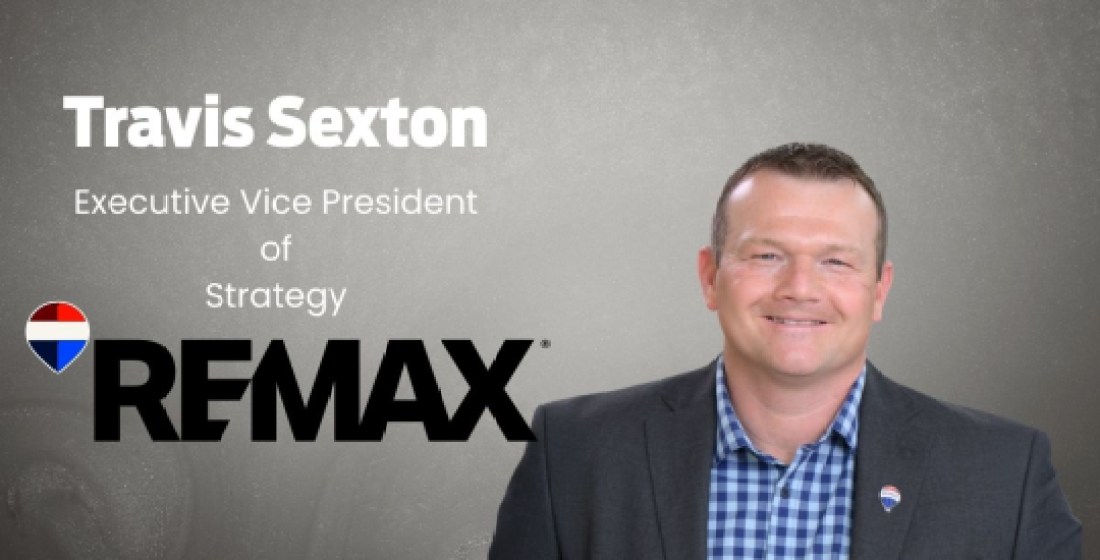
RE/MAX accelerates real estate innovation with AI and technology
RE/MAX is accelerating the integration of AI and cutting-edge technology to transform how agents engage with clients, generate leads, and deliver results. Initiatives like Max AI, MaxRefer, MaxEngage, and HomeView leverage real-time data, personalized marketing, and AI-driven tools to streamline the homeownership experience and empower its agents. Leading this innovation is Travis Saxton, EVP of Strategy at RE/MAX, who has spearheaded the rollout of these technologies, including AI-powered training through Sky AI and SkyStudio, redefining the future of real estate by combining human connection with next-generation tools.
Nov 17, 2025 3:44 am
Latest Articles

From resilience to antifragility: Rethinking cybersecurity for real estate and mortgage professionals
In information security, we’ve long spoken about resilience. The goal has been to withstand an attack, recover quickly, and return to business as usual. But in today’s environment—where attackers adapt and evolve daily—resilience is no longer enough. We must go further. We must embrace antifragility.
-
From local to global: RE/MAX’s Chris Lim on the next era of real estate relationships
-
Stop marketing like it’s 2008: You’re invisible
-
RE/MAX accelerates real estate innovation with AI and technology
-
Retirement plans for small-business owners have visible generational gaps
-
VA loans rise as housing market shifts toward buyers
Jon Prior was a reporter with HousingWire through late 2012.see full bio