

 2 minute read
Massachusetts is getting tough on the lenders in its state. At least, that’s the message put out last week by Governor Deval Patrick, who said he had asked the Massachusetts Division of Banks to begin evaluating all state licensed mortgage lenders on the basis of the speed and number of loan modifications they complete for delinquent borrowers seeking help. The move is the first such action in the nation, and means that state-based lenders could see their licensing tied to their efforts to work with troubled homeowners; it’s unclear, however, exactly what standards will be put in place by the DOB. In a press statement, the governor’s office said only that it has asked the DOB to consider extending the community-reinvestment act evaluation process to include an assessment of “the pace at which all state licensed mortgage lenders address the needs of the borrowers and modify loans.” “More can be and must be done to help those homeowners who are most at risk of losing their homes,” said Patrick. “Today’s action is intended to hold lenders responsible for the quality of their response and push for the most successful and immediate solution that will allow borrowers to remain in their homes.” Beyond the tough talk, sources told Housing Wire on Tuesday that the proposed legislation would only apply to roughly 30 percent of lenders operating in the state — most lenders operate under Federal jurisdiction, meaning that any state-level licensing change would likely not apply to them. While any effort to tie CRA evaluations to loan modification activity may have limited effect, the governor’s office also said it was working with national lenders including Bank of America, CitiBank, JP Morgan Chase, Countrywide Financial, GMAC Mortgage, Option One, Washington Mutual and Wells Fargo to hold one-on-one foreclosure counseling workshops for troubled borrowers throughout the state. The workshops are scheduled for June and July throughout key areas of the state. “Too frequently we hear that a homeowner in crisis or housing counselors have difficulty getting in direct contact with lenders and servicers. This is not acceptable,” said Dan Crane, Undersecretary of Consumer Affairs and Business Regulation. “These workshops are designed to remove roadblocks to the loan modifications and other potential solutions that will keep people in their homes over the long-term.” The moves by state officials in Massachusetts come as the state grapples with record levels of foreclosures. Real estate data firm ForeclosuresMass.com reported in May that more than 9,000 properties entered into foreclosure during the first quarter of 2008, a 37.6 percent increase over one year earlier, and the third consecutive record-breaking quarter for the state.

Paul Jackson is the former publisher and CEO at HousingWire.see full bio
Most Popular Articles
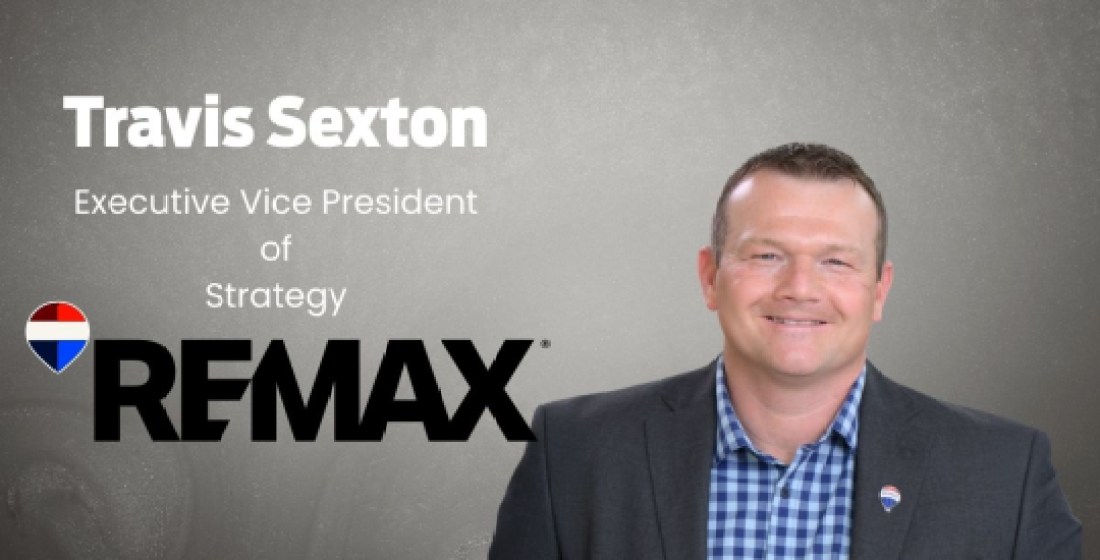
RE/MAX accelerates real estate innovation with AI and technology
RE/MAX is accelerating the integration of AI and cutting-edge technology to transform how agents engage with clients, generate leads, and deliver results. Initiatives like Max AI, MaxRefer, MaxEngage, and HomeView leverage real-time data, personalized marketing, and AI-driven tools to streamline the homeownership experience and empower its agents. Leading this innovation is Travis Saxton, EVP of Strategy at RE/MAX, who has spearheaded the rollout of these technologies, including AI-powered training through Sky AI and SkyStudio, redefining the future of real estate by combining human connection with next-generation tools.
Nov 17, 2025 3:44 am
Latest Articles

From resilience to antifragility: Rethinking cybersecurity for real estate and mortgage professionals
In information security, we’ve long spoken about resilience. The goal has been to withstand an attack, recover quickly, and return to business as usual. But in today’s environment—where attackers adapt and evolve daily—resilience is no longer enough. We must go further. We must embrace antifragility.
-
From local to global: RE/MAX’s Chris Lim on the next era of real estate relationships
-
Stop marketing like it’s 2008: You’re invisible
-
RE/MAX accelerates real estate innovation with AI and technology
-
Retirement plans for small-business owners have visible generational gaps
-
VA loans rise as housing market shifts toward buyers
Paul Jackson is the former publisher and CEO at HousingWire.see full bio


