

Former Securities and Exchange Commission chairman Arthur Levitt fired a strong volley Thursday morning against the so-called mark-to-market lobby in a Washington Post op-ed, saying that proposed changes to key accounting rules governing the valuation of distressed assets would “obscure” and potentially “bury” the full extent of impairments on bad loans and ill-advised investments made by banks and other financial institutions. “[T]hose charged with building confidence and trust and presenting numbers that can be believed are under sustained attack — and they are losing,” he wrote. “Over the past few weeks, banks and their supporters in Congress have applied significant pressure on the Financial Accounting Standards Board (FASB) to rewrite standards for valuing distressed assets on bank balance sheets.” Levitt makes it clear that while he disagrees the the FASB’s proposed guidance for both mark-to-market and other-than-temporary impairment, his primary concern is what he sees as a full-scale attack on the independence of market regulators. “This isn’t just about the income statements of banks,” he argues. “It’s about further eroding investor confidence, precisely at a moment when investors are practically screaming for more protection. The FASB was created to stand apart from partisanship and momentary shifts in public opinion precisely because the value of accounting standards comes in the consistency of their application over time and circumstance.” Frequent HW columnist Linda Lowell has echoed some of Levitt’s concerns recently, particularly around mark-to-market accounting/FAS 157. “The fact is, under the proposed changes determinations of ‘distressed’ and ‘orderly’ will be very much in the eye of the holder,” she wrote in recent commentary over the FASB’s proposed new guidelines. “Those holders may be able to win more arguments with their auditors, but investors will have to work that much harder to figure out if Omega National Bank’s private-label CMOs really are worth what they are reported to be worth.” Levitt offered some harsh criticism for new SEC chairman Mary Schapiro, as well: “[T]he Securities and Exchange Commission should take a firm stand on the side of investors and vigorously resist all political efforts to reduce the independence of financial rule-making agencies and boards.” The SEC has itself come out in support of the proposed changes. SEC acting chief accountant Jim Kroeker said in testimony to the House Financial Services Committee on Wednesday afternoon that he supported the proposed guidance on both fair value accounting and on other-than-temporary impairment. “There can be no doubt … the gravity and urgency of these issues as we all work in the public interest to address the global economic crisis,” Kroeker said. “I believe swift action must be taken to address the accounting for investment impairments and to improve the measurement guidance for illiquid assets for first quarter 2009 reporting.” The comment period for the proposed changes announced on March 17 was shortened to just 15 days, and ends on April 1. Write to Paul Jackson at paul.jackson@housingwire.com.
 2 minute read
Levitt: Proposed Accounting Changes Will ‘Obscure’ Impairments
March 26, 2009, 10:00am

Paul Jackson is the former publisher and CEO at HousingWire.see full bio
Most Popular Articles
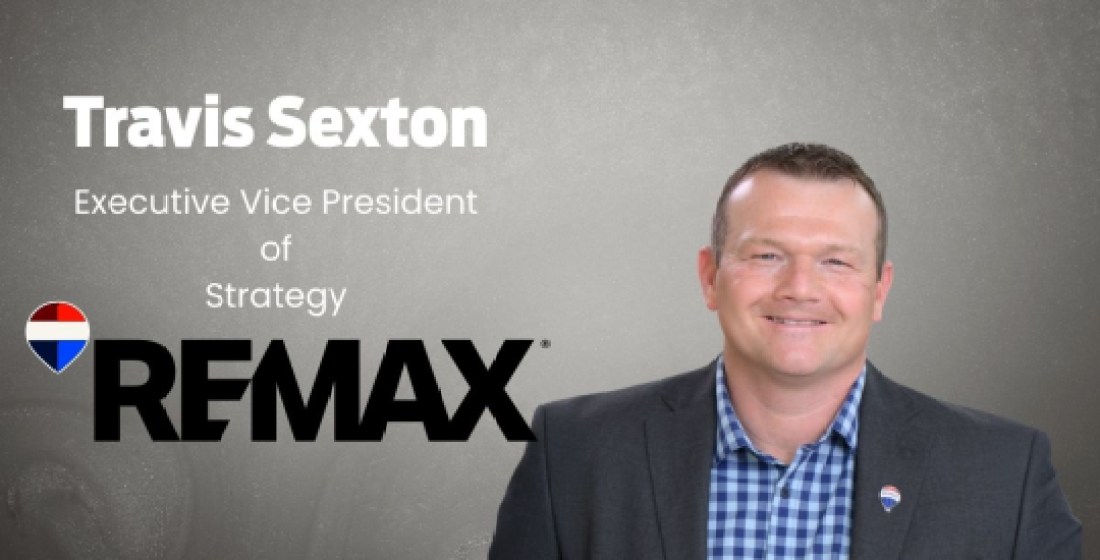
RE/MAX accelerates real estate innovation with AI and technology
RE/MAX is accelerating the integration of AI and cutting-edge technology to transform how agents engage with clients, generate leads, and deliver results. Initiatives like Max AI, MaxRefer, MaxEngage, and HomeView leverage real-time data, personalized marketing, and AI-driven tools to streamline the homeownership experience and empower its agents. Leading this innovation is Travis Saxton, EVP of Strategy at RE/MAX, who has spearheaded the rollout of these technologies, including AI-powered training through Sky AI and SkyStudio, redefining the future of real estate by combining human connection with next-generation tools.
Nov 17, 2025 3:44 am
Latest Articles

From resilience to antifragility: Rethinking cybersecurity for real estate and mortgage professionals
In information security, we’ve long spoken about resilience. The goal has been to withstand an attack, recover quickly, and return to business as usual. But in today’s environment—where attackers adapt and evolve daily—resilience is no longer enough. We must go further. We must embrace antifragility.
-
From local to global: RE/MAX’s Chris Lim on the next era of real estate relationships
-
Stop marketing like it’s 2008: You’re invisible
-
RE/MAX accelerates real estate innovation with AI and technology
-
Retirement plans for small-business owners have visible generational gaps
-
VA loans rise as housing market shifts toward buyers
Paul Jackson is the former publisher and CEO at HousingWire.see full bio


