

At least one rating agency expressed concerns last week about the acquisition of now-bankrupt LandAmerica Financial Group’s title underwriters by Fidelity National Financial, Inc. (FNF), with Fitch Ratings downgrading its issuer default ratings on Fidelity National, as well as docking the insurer financial strength of the conglomerate’s title insurance subsidiaries. Fitch said it cut its IDR on Fidelity National to ‘BB’ from ‘BBB,’ and cut all of Fidelity’s title insurers to ‘BBB’ from ‘A-,’ on concerns that taking on such broad exposure to the title business via the LandAm acquisitions could strain capital positions at any single underwriter now owned by the nation’s largest title insurance conglomerate. On Nov. 26, LandAmerica and a subsidiary filed to reorganize under Chapter 11 of the U.S. bankruptcy code, agreeing to sell its title underwriting subsidiaries, Lawyers Title Insurance Corporation and Commonwealth Land Title Insurance Company, as well as United Capital Title Insurance Company, to subsidiaries of Fidelity National. The acquisition included $235 million paid toLandAm, plus a $157 million capital infusion into the acquired underwriters. The $157 million infusion was paid by Fidelity National’s underwriters directly into the acquired underwriters, Fitch said. While the acquisition hurt Fidelity’s existing underwriters and its corporate debt rating, it managed to help the IFS ratings of the acquired LandAm units, which were upgraded to ‘BBB-‘ from ‘BB,’ according to Fitch. “While the $157 million payment will improve the quality of capital at the acquired underwriters, they will remain undercapitalized relative to FNF’s underwriters,” Fitch analysts, including Douglas Pawlowski, said in a statement. “In addition, FNF’s underwriters will also be in a weaker risk-adjusted capital position following the acquisition.” Fitch’s analysts also cited a “less favorable statutory capital position of the combined entity,” as well as further adverse reserve development and increased financial leverage as factors in the downgrade. In other words: looking to dominate the title industry during a historic industry downswing doesn’t come without risk. At the close of the third quarter of 2008, debt-to-total capital at Fidelity National was 32 percent, which currently exceeds the company’s long-term target debt-to-total capital of 20-25 percent. Write to Paul Jackson at paul.jackson@housingwire.com. Disclosure: The author held no relevant investment positions when this story was published. Indirect holdings may exist via mutual fund investments. HW reporters and writers follow a strict disclosure policy, the first in the mortgage trade.
 2 minute read
LandAm Acquisition Leads to Downgrade at Fidelity National
December 30, 2008, 10:05am

Paul Jackson is the former publisher and CEO at HousingWire.see full bio
Most Popular Articles
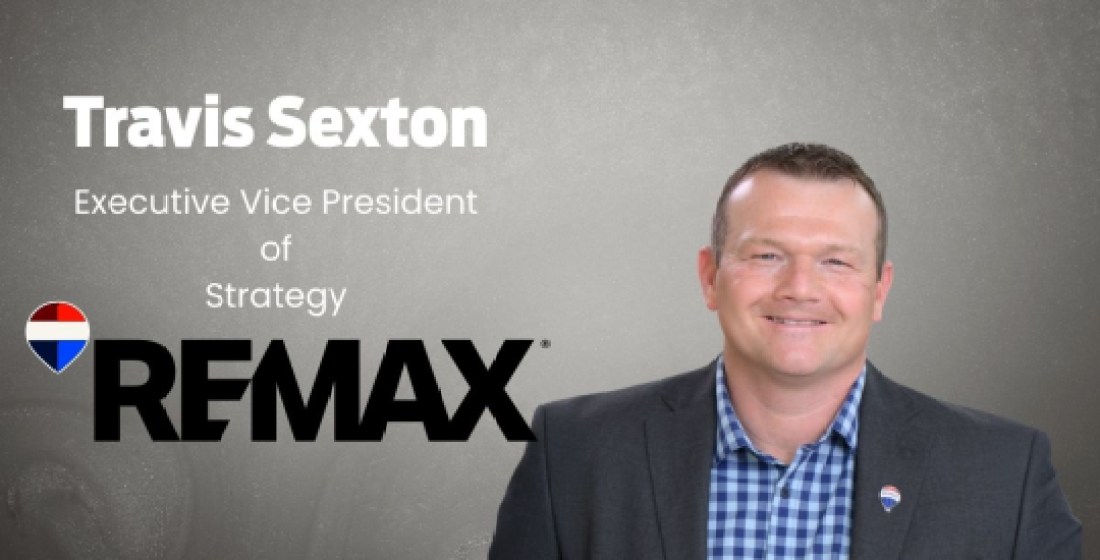
RE/MAX accelerates real estate innovation with AI and technology
RE/MAX is accelerating the integration of AI and cutting-edge technology to transform how agents engage with clients, generate leads, and deliver results. Initiatives like Max AI, MaxRefer, MaxEngage, and HomeView leverage real-time data, personalized marketing, and AI-driven tools to streamline the homeownership experience and empower its agents. Leading this innovation is Travis Saxton, EVP of Strategy at RE/MAX, who has spearheaded the rollout of these technologies, including AI-powered training through Sky AI and SkyStudio, redefining the future of real estate by combining human connection with next-generation tools.
Nov 17, 2025 3:44 am
Latest Articles

From resilience to antifragility: Rethinking cybersecurity for real estate and mortgage professionals
In information security, we’ve long spoken about resilience. The goal has been to withstand an attack, recover quickly, and return to business as usual. But in today’s environment—where attackers adapt and evolve daily—resilience is no longer enough. We must go further. We must embrace antifragility.
-
From local to global: RE/MAX’s Chris Lim on the next era of real estate relationships
-
Stop marketing like it’s 2008: You’re invisible
-
RE/MAX accelerates real estate innovation with AI and technology
-
Retirement plans for small-business owners have visible generational gaps
-
VA loans rise as housing market shifts toward buyers
Paul Jackson is the former publisher and CEO at HousingWire.see full bio


