
 2 minute read
Interim Assistant Secretary for Financial Stability Neel Kashkari spoke to an international banking group Monday morning about the Treasury’s progress in carrying out the Troubled Asset Relief Program. His remarks gave the first glimpse into the plan’s operations since Bush signed it into law ten days ago. The “Treasury is implementing its new authorities with one simple goal — to restore capital flows to the consumers and businesses that form the core of our economy,” Kashkari said. Kashkari said his team is “moving quickly but methodically,” mirroring Paulson’s nearly identical statement last week. The Treasury is working “around the clock,” to implement and design “tools that will be most effective in dealing with the challenges in our financial system,” while making the best use of taxpayer’s money, he said. “Recruiting the right people is essential to the success of this program,” Kahskari said. The Treasury is tapping into “seasoned, financial veterans,” from across the government to help launch the program today. Their role will be three-fold: setting-up an office, hiring permanent staff, and identifying their permanent successor. The U.S. Treasury Department announced in a press release Monday afternoon that EnnisKnupp and Associates will serve as its investment adviser for the implementation of the TARP. The Treasury hired the Chicago-based firm Saturday and the firm reportedly began work immediately to help the Department administer the complex portfolio of troubled assets the Department will purchase. EnnisKnup’s oversight will include helping the Treasury to determine asset allocations for each manager, evaluating the performance and costs, identifying conflicts of interest and identifying strategic investment and market issues impacting the overall portfolio. The investment adviser also will conduct research on mortgage whole loan asset managers and on servicing organizations. Additionally, the firm will identify qualified minority- and women-owned businesses to provide services for the portfolio. A formal procurement process has been established and every business, to the extent possible, will have the right to compete for contracts to provide services for the portfolio, Kashkari said. On the operation’s front, a team led by Treasury Assistant Secretary for Management and Chief Financial Officer Pete McCarthy, is working to establish the institutional and logistical frameworks of TARP. As for compliance, “we are committed to transparency and oversight in all aspects,” Kashkari said. The Financial Stability Oversight Board met and adopted bylaws. The board is now working with the White House to identify candidates for nomination for a Special Inspector General, who is to oversee the program according to the new law. “A program (TARP) as large and complex as this would normally take months – or even years – to establish. We don’t have months or years. Hence, we are moving to implement the TARP as quickly as possible while working to ensure high quality execution,” Kashkari said.

Kelly Curran was one of HousingWire's first reporters, providing coverage of the U.S. financial crisis until mid-2009. She currently works outside of journalism.see full bio
Most Popular Articles
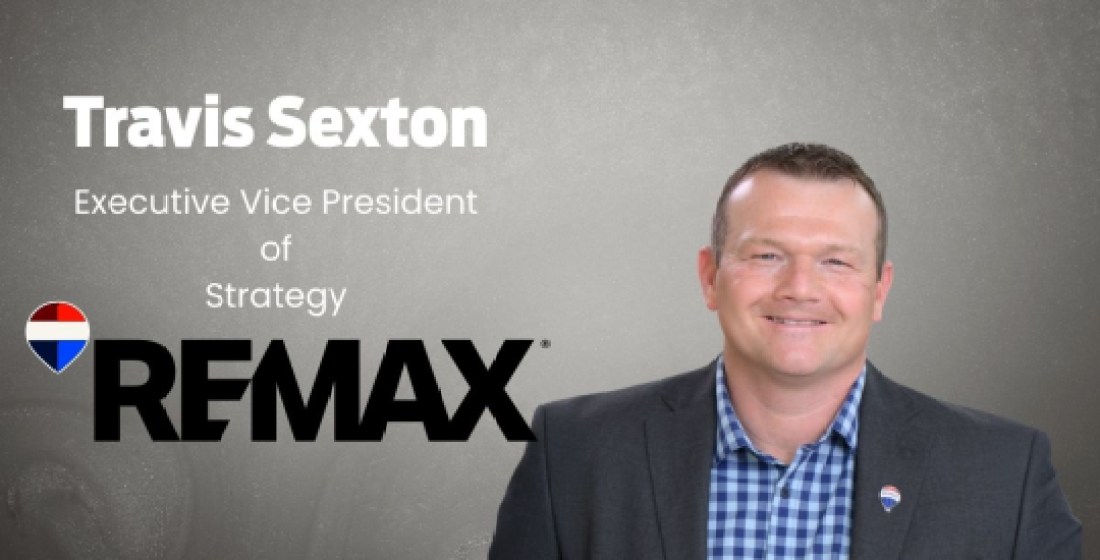
RE/MAX accelerates real estate innovation with AI and technology
RE/MAX is accelerating the integration of AI and cutting-edge technology to transform how agents engage with clients, generate leads, and deliver results. Initiatives like Max AI, MaxRefer, MaxEngage, and HomeView leverage real-time data, personalized marketing, and AI-driven tools to streamline the homeownership experience and empower its agents. Leading this innovation is Travis Saxton, EVP of Strategy at RE/MAX, who has spearheaded the rollout of these technologies, including AI-powered training through Sky AI and SkyStudio, redefining the future of real estate by combining human connection with next-generation tools.
Nov 17, 2025 3:44 am
Latest Articles

From resilience to antifragility: Rethinking cybersecurity for real estate and mortgage professionals
In information security, we’ve long spoken about resilience. The goal has been to withstand an attack, recover quickly, and return to business as usual. But in today’s environment—where attackers adapt and evolve daily—resilience is no longer enough. We must go further. We must embrace antifragility.
-
From local to global: RE/MAX’s Chris Lim on the next era of real estate relationships
-
Stop marketing like it’s 2008: You’re invisible
-
RE/MAX accelerates real estate innovation with AI and technology
-
Retirement plans for small-business owners have visible generational gaps
-
VA loans rise as housing market shifts toward buyers
Kelly Curran was one of HousingWire's first reporters, providing coverage of the U.S. financial crisis until mid-2009. She currently works outside of journalism.see full bio