1 minute read
Deep inside every bit of Dodd-Frank there seems to be an embedded piece of ironic contradiction. For example, the Dodd-Frank Act amended the Truth in Lending Act to ensure arms-length transactions in the appraisal process. Now, as a result of recent Federal Reserve revisions to Regulation Z which implements the TILA, the Office of Thrift Supervision revised its examination procedures. The OTS often comes up in the list of bad guys; regulators asleep at the wheel while the big mortgage finance firms motored the economy off a very large cliff. Keeping that in mind, it is somewhat surprising that the OTS revisions to TILA now include a directive to creditors to file reports with appropriate state licensing authorities when it suspects an appraisal coercion or conflict of interest. Come again? Not only is the OTS putting the power of enforcement into the hands of the separate states, which may be a great idea, but it also requires creditors to snitch on bad appraisers. And it’s ironic that this self-policing attitude would rear its head in one space that proved incapable of self-policing. Furthermore, it prohibits a creditor from extending credit, if it knows, before consummation, of coercion or a conflict of interest. So, if a creditor suspects a conflict, it can not lend and must report the incident to ensure the violators are brought to justice. Sorry, but that sounds like the job of a regulator. Write to Jacob Gaffney. Follow him on Twitter @JacobGaffney.

Jacob Gaffney is formerly Editor-in-Chief of HousingWire and HousingWire.com. He previously covered securitization for Reuters and Source Media in London before returning to the United States in 2009. While in Europe for nearly a decade, he covered bank loans and the high yield market, in addition to commercial paper, student loan, auto and credit card space(s).see full bio
Most Popular Articles
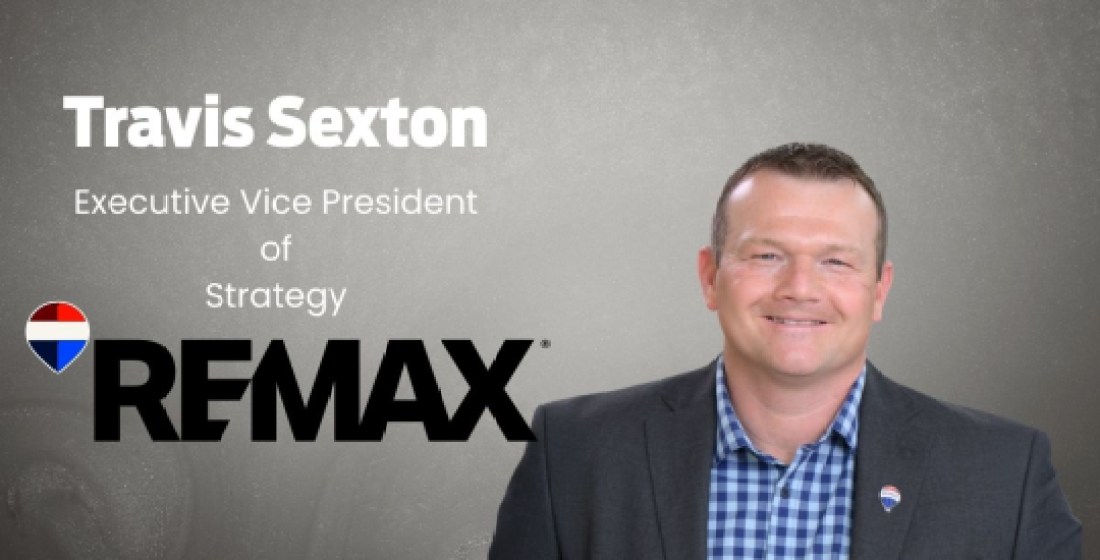
RE/MAX accelerates real estate innovation with AI and technology
RE/MAX is accelerating the integration of AI and cutting-edge technology to transform how agents engage with clients, generate leads, and deliver results. Initiatives like Max AI, MaxRefer, MaxEngage, and HomeView leverage real-time data, personalized marketing, and AI-driven tools to streamline the homeownership experience and empower its agents. Leading this innovation is Travis Saxton, EVP of Strategy at RE/MAX, who has spearheaded the rollout of these technologies, including AI-powered training through Sky AI and SkyStudio, redefining the future of real estate by combining human connection with next-generation tools.
Nov 17, 2025 3:44 am
Latest Articles

From resilience to antifragility: Rethinking cybersecurity for real estate and mortgage professionals
In information security, we’ve long spoken about resilience. The goal has been to withstand an attack, recover quickly, and return to business as usual. But in today’s environment—where attackers adapt and evolve daily—resilience is no longer enough. We must go further. We must embrace antifragility.
-
From local to global: RE/MAX’s Chris Lim on the next era of real estate relationships
-
Stop marketing like it’s 2008: You’re invisible
-
RE/MAX accelerates real estate innovation with AI and technology
-
Retirement plans for small-business owners have visible generational gaps
-
VA loans rise as housing market shifts toward buyers
Jacob Gaffney is formerly Editor-in-Chief of HousingWire and HousingWire.com. He previously covered securitization for Reuters and Source Media in London before returning to the United States in 2009. While in Europe for nearly a decade, he covered bank loans and the high yield market, in addition to commercial paper, student loan, auto and credit card space(s).see full bio