

 2 minute read
As the hurricane season ramps up, fallout from the ongoing mortgage crisis provides a new, potentially hazardous twist; vacant properties that may be ill-prepared to handle a storm. The Institute for Business & Home Safety said Tuesday that more than half a million properties in hurricane-prone states are in some stage of foreclosure, and warned that the many thousands of foreclosed homes standing empty in coastal areas from Texas to Maine could exacerbate property damage in their neighborhoods if the wind starts to blow. “Foreclosed homes that are either poorly maintained or otherwise left vulnerable to natural forces could become flying debris that takes aim at neighboring buildings,” said IBHS President and CEO Julie Rochman. “Gulf and Atlantic Coast communities should consider this fact when making or reviewing hurricane preparation and disaster recovery plans.” IBHS notes that a house is most vulnerable to high winds when the building “envelope” is not sealed by approved forms of opening protection, such as storm shutters or reinforced garage doors. Building materials and other debris from partially completed new homes sitting unsecured along the coasts also could become shrapnel or missiles impacting nearby buildings. Proeprty preservation companies face a unique challenge in these areas, source told Housing Wire; the need to secure the property from possible damage is greater, but so too is the cost to maintain the property. And during housing’s extended downturn, many lenders and investors simply are reticent to invest the money needed to property secure a property against possible hurricane damage. “It’s sort of the ‘we’ll worry about a hurricane when we have one,'” said one source, who asked not to be named. Nonethless IBHS said that a wide variety of products on the market today can inexpensively help secure a property against possible catastrophic damage, including storm shutters. “The payoff for a stronger, well-protected home goes beyond the structure itself,” Rochman said. “Being prepared improves the home’s resale value.”

Paul Jackson is the former publisher and CEO at HousingWire.see full bio
Most Popular Articles
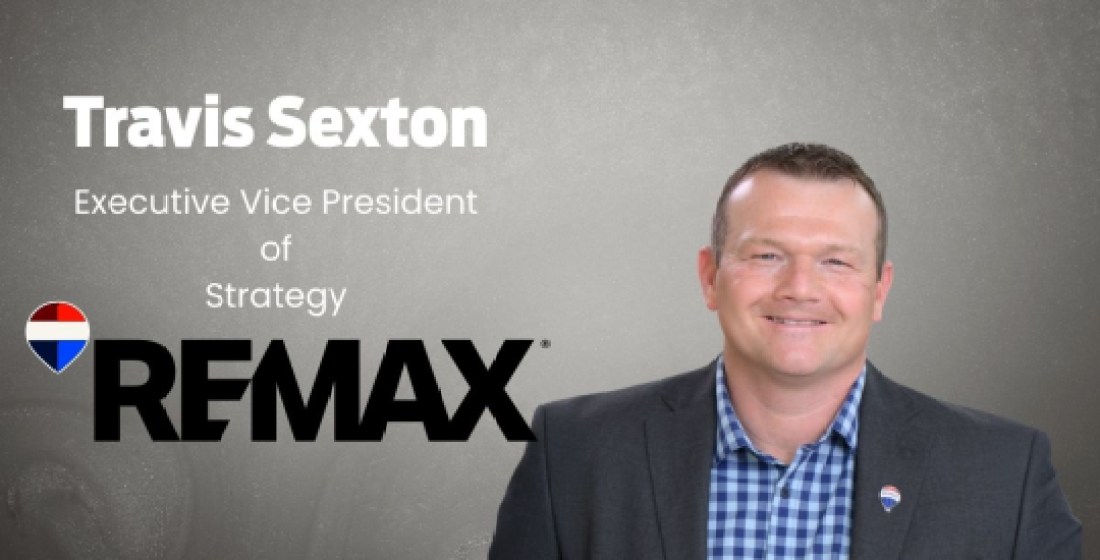
RE/MAX accelerates real estate innovation with AI and technology
RE/MAX is accelerating the integration of AI and cutting-edge technology to transform how agents engage with clients, generate leads, and deliver results. Initiatives like Max AI, MaxRefer, MaxEngage, and HomeView leverage real-time data, personalized marketing, and AI-driven tools to streamline the homeownership experience and empower its agents. Leading this innovation is Travis Saxton, EVP of Strategy at RE/MAX, who has spearheaded the rollout of these technologies, including AI-powered training through Sky AI and SkyStudio, redefining the future of real estate by combining human connection with next-generation tools.
Nov 17, 2025 3:44 am
Latest Articles

From resilience to antifragility: Rethinking cybersecurity for real estate and mortgage professionals
In information security, we’ve long spoken about resilience. The goal has been to withstand an attack, recover quickly, and return to business as usual. But in today’s environment—where attackers adapt and evolve daily—resilience is no longer enough. We must go further. We must embrace antifragility.
-
From local to global: RE/MAX’s Chris Lim on the next era of real estate relationships
-
Stop marketing like it’s 2008: You’re invisible
-
RE/MAX accelerates real estate innovation with AI and technology
-
Retirement plans for small-business owners have visible generational gaps
-
VA loans rise as housing market shifts toward buyers
Paul Jackson is the former publisher and CEO at HousingWire.see full bio


