
 2 minute read
Guaranty Bank, subsidiary of Guaranty Financial Group (GFG), is in discussions with regulators after recently taking a $1.45bn impairment charge from write-downs on non-agency mortgage-backed securities (MBS). Guaranty wrote down the non-agency MBS to an estimated fair value in an amended thrift financial report. The report also included an adjustment to write off goodwill in the amount of $106.6m. These adjustments together pulled the bank’s core capital ratio down to negative 5.78% and its total risk-based capital ratio down to negative 5.52% as of March 31, 2009. The bank’s troubles are not lost on its regulators. The Federal Deposit Insurance Corp. (FDIC) and the Office of Thrift Supervision (OTS) were pursuing “potential alternatives” for the bank’s business, according to a company filing with the Securities Exchange Commission (SEC) last Friday. As of the time of the SEC filing — submitted July 23 but dated July 17 — the company’s stockholders had yet to agree to a private capital infusion, and as a result the company said it was unlikely to raise sufficient capital to comply with existing orders to cease and desist. “In light of these developments, the company believes that it is probable that it will not be able to continue as a going concern,” Guaranty said in the SEC filing. The company said the OTC was “exercising a significant degree of control” in the duties typically run by the bank’s board of directors, but the FDIC had not yet been appointed receiver of the bank as of the SEC filing. As a result, the FDIC could not comment Monday on Guaranty, which it said is still an open bank. Guaranty is still open for business despite the news in the filing, according to a company spokesperson. “We continue to work with our regulators,” said John Wessman, executive vice president of the retail and marketing department at Guaranty. “We are focused on providing the best customer service possible and believe we can avoid any disruptions to our customers.” “As a member of the FDIC,” Wessman added, “Guaranty depositors enjoy the same coverage as customers of other FDIC member banks.” Write to Diana Golobay.

Diana Golobay was a reporter with HousingWire through mid-2010, providing wide-ranging coverage of the U.S. financial crisis. She has since moved onto other roles as a writer and editor.see full bio
Most Popular Articles
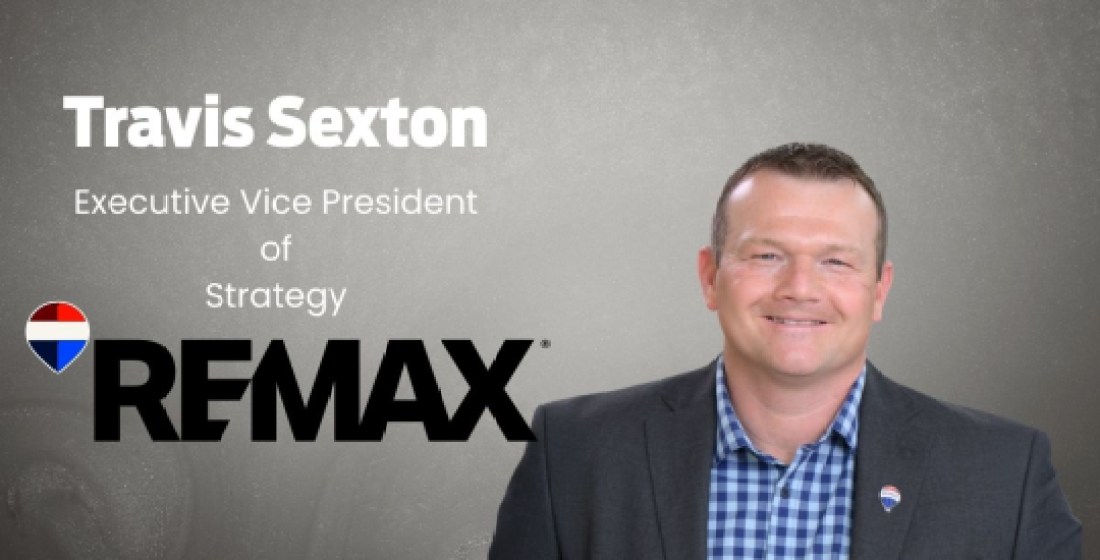
RE/MAX accelerates real estate innovation with AI and technology
RE/MAX is accelerating the integration of AI and cutting-edge technology to transform how agents engage with clients, generate leads, and deliver results. Initiatives like Max AI, MaxRefer, MaxEngage, and HomeView leverage real-time data, personalized marketing, and AI-driven tools to streamline the homeownership experience and empower its agents. Leading this innovation is Travis Saxton, EVP of Strategy at RE/MAX, who has spearheaded the rollout of these technologies, including AI-powered training through Sky AI and SkyStudio, redefining the future of real estate by combining human connection with next-generation tools.
Nov 17, 2025 3:44 am
Latest Articles

From resilience to antifragility: Rethinking cybersecurity for real estate and mortgage professionals
In information security, we’ve long spoken about resilience. The goal has been to withstand an attack, recover quickly, and return to business as usual. But in today’s environment—where attackers adapt and evolve daily—resilience is no longer enough. We must go further. We must embrace antifragility.
-
From local to global: RE/MAX’s Chris Lim on the next era of real estate relationships
-
Stop marketing like it’s 2008: You’re invisible
-
RE/MAX accelerates real estate innovation with AI and technology
-
Retirement plans for small-business owners have visible generational gaps
-
VA loans rise as housing market shifts toward buyers
Diana Golobay was a reporter with HousingWire through mid-2010, providing wide-ranging coverage of the U.S. financial crisis. She has since moved onto other roles as a writer and editor.see full bio