

 1 minute read
Jackson, Georgia-based First Georgia Community Bank was closed Friday by the Georgia Department of Banking and Finance, and became the 23rd bank this year to head into the hands of the Federal Deposit Insurance Corporation. The small bank’s deposits were acquired by United Bank, another Georgia-based banking institution; the failed bank had just four branches, according to an FDIC statement. The small community bank had total assets of $237.5 million and total deposits of $197.4 million the FDIC said; interestingly, United Bank agreed to assume all the deposits for less than their face value, paying only an .811 percent premium. In addition to assuming all of the failed bank’s deposits, according to the FDIC, United Bank will purchase approximately $60.6 million of assets., as well. Nonetheless, the FDIC estimates that the cost to the Deposit Insurance Fund will be $72.2 million. Like most bank failures this year, the failed community bank overreached into construction and land development lending: call report data from the end of Sept. shows that First Georgia held $194.3 million in C&D loans on its books, and another $10.1 million in commercial and industrial loans. Of that, nearly $50 million was past due and in non-accrual status at the end of Q3. First Georgia Community Bank, the failed bank, is not affiliated with First Georgia Banking Company, the FDIC said. Write to Paul Jackson at paul.jackson@housingwire.com.

Paul Jackson is the former publisher and CEO at HousingWire.see full bio
Most Popular Articles
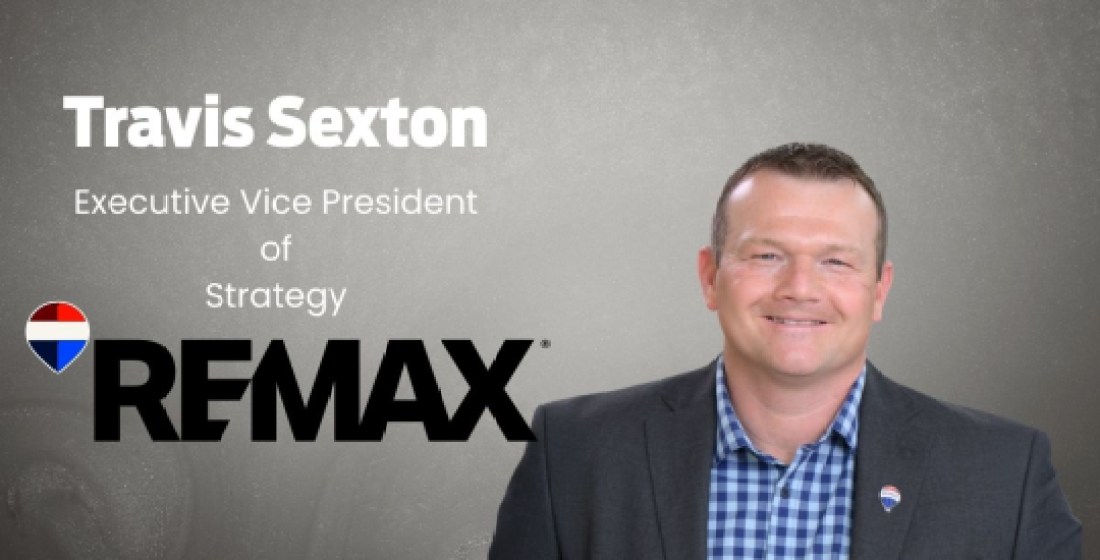
RE/MAX accelerates real estate innovation with AI and technology
RE/MAX is accelerating the integration of AI and cutting-edge technology to transform how agents engage with clients, generate leads, and deliver results. Initiatives like Max AI, MaxRefer, MaxEngage, and HomeView leverage real-time data, personalized marketing, and AI-driven tools to streamline the homeownership experience and empower its agents. Leading this innovation is Travis Saxton, EVP of Strategy at RE/MAX, who has spearheaded the rollout of these technologies, including AI-powered training through Sky AI and SkyStudio, redefining the future of real estate by combining human connection with next-generation tools.
Nov 17, 2025 3:44 am
Latest Articles

From resilience to antifragility: Rethinking cybersecurity for real estate and mortgage professionals
In information security, we’ve long spoken about resilience. The goal has been to withstand an attack, recover quickly, and return to business as usual. But in today’s environment—where attackers adapt and evolve daily—resilience is no longer enough. We must go further. We must embrace antifragility.
-
From local to global: RE/MAX’s Chris Lim on the next era of real estate relationships
-
Stop marketing like it’s 2008: You’re invisible
-
RE/MAX accelerates real estate innovation with AI and technology
-
Retirement plans for small-business owners have visible generational gaps
-
VA loans rise as housing market shifts toward buyers
Paul Jackson is the former publisher and CEO at HousingWire.see full bio


