

 1 minute read
Troubled banking outfit Fremont General (FMT) said Tuesday that the New York Stock Exchange was likely to delist the company’s common stock over a failure to maintain a high enough stock price. Stocks that trade below one dollar for 30 consecutive days are deemed to fail the so-called “quantitative continued listed standard” established by the Exchange. The stock closed Monday at 48 cents, and has traded below the $1 benchmark since the beginning of March. The troubled lender has seen its stock plummet more than 90 percent during the past year, after the bank nearly collapsed as the subprime mess first began; the Brea, Calif.-based operation maintains $8.8 billion in assets and 22 branches in California. Fremont’s latest round of troubles began in late February, saying that write-downs and loss reserve charges had eroded its capital base; since that time, it has defaulted on loan purchase contracts worth $3.15 billion and delayed an interest payment on $169 million in debt. The FDIC stepped in during late March and ordered the troubled lender to capitalize or sell itself within 60 days. Disclosure: The author owned no positions in FMT when this story was originally published. HW reporters and writers follow a strict disclosure policy, the first in the mortgage trade.

Paul Jackson is the former publisher and CEO at HousingWire.see full bio
Most Popular Articles
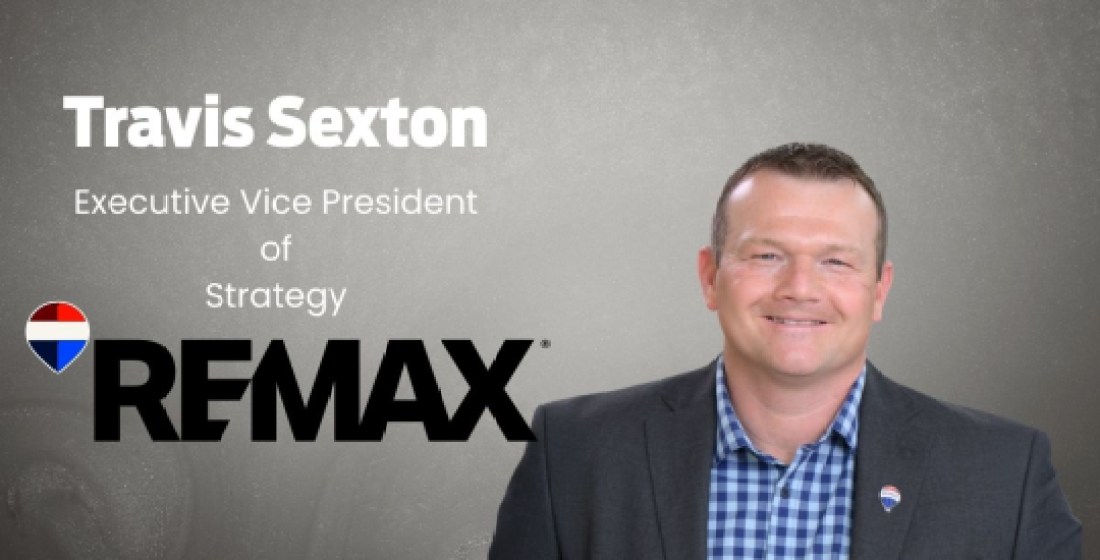
RE/MAX accelerates real estate innovation with AI and technology
RE/MAX is accelerating the integration of AI and cutting-edge technology to transform how agents engage with clients, generate leads, and deliver results. Initiatives like Max AI, MaxRefer, MaxEngage, and HomeView leverage real-time data, personalized marketing, and AI-driven tools to streamline the homeownership experience and empower its agents. Leading this innovation is Travis Saxton, EVP of Strategy at RE/MAX, who has spearheaded the rollout of these technologies, including AI-powered training through Sky AI and SkyStudio, redefining the future of real estate by combining human connection with next-generation tools.
Nov 17, 2025 3:44 am
Latest Articles

From resilience to antifragility: Rethinking cybersecurity for real estate and mortgage professionals
In information security, we’ve long spoken about resilience. The goal has been to withstand an attack, recover quickly, and return to business as usual. But in today’s environment—where attackers adapt and evolve daily—resilience is no longer enough. We must go further. We must embrace antifragility.
-
From local to global: RE/MAX’s Chris Lim on the next era of real estate relationships
-
Stop marketing like it’s 2008: You’re invisible
-
RE/MAX accelerates real estate innovation with AI and technology
-
Retirement plans for small-business owners have visible generational gaps
-
VA loans rise as housing market shifts toward buyers
Paul Jackson is the former publisher and CEO at HousingWire.see full bio


