2 minute read
The Federal Open Market Committee released an official statement Wednesday acknowledging “the economy continues to contract” since its last meeting in January. The FOMC agreed — unsurprisingly — to maintain the target range for the federal funds rate to zero to 0.25 percent. The surprise came when the FOMC announced it would fund an additional $1.2 trillion to credit-unlocking efforts. “To provide greater support to mortgage lending and housing markets, the Committee decided today to increase the size of the Federal Reserve’s balance sheet further by purchasing up to an additional $750 billion of agency mortgage-backed securities, bringing its total purchases of these securities to up to $1.25 trillion this year, and to increase its purchases of agency debt this year by up to $100 billion to a total of up to $200 billion,” Fed officials said in the statement. The massive increase to its MBS purchasing program is designed to stimulate mortgage lending by freeing up billions of dollars of credit in a credit-tight market. The FOMC also agreed to purchase up to $300 billion in Treasury securities during the next six months. All together, the Fed pledged another $1.15 trillion to the fight against frozen credit. The Fed has already bought more than $217 billion in agency MBS from government-sponsored entities Fannie Mae (FNM), Freddie Mac (FRE) and Ginnie Mae. The Fed’s assets shrank $13.77 billion in the week ending March 11, according to a balance sheet summary released late last week. The data show the Fed’s consolidated balance sheet fell to a value of $1.88 trillion from the previous week, but is up almost $1.01 trillion from the year-ago week ended March 12, 2008. Write to Diana Golobay at diana.golobay@housingwire.com. Disclosure: The author held no relevant investment positions when this story was published. Indirect holdings may exist via mutual fund investments. HW reporters and writers follow a strict disclosure policy, the first in the mortgage trade.

Diana Golobay was a reporter with HousingWire through mid-2010, providing wide-ranging coverage of the U.S. financial crisis. She has since moved onto other roles as a writer and editor.see full bio
Most Popular Articles
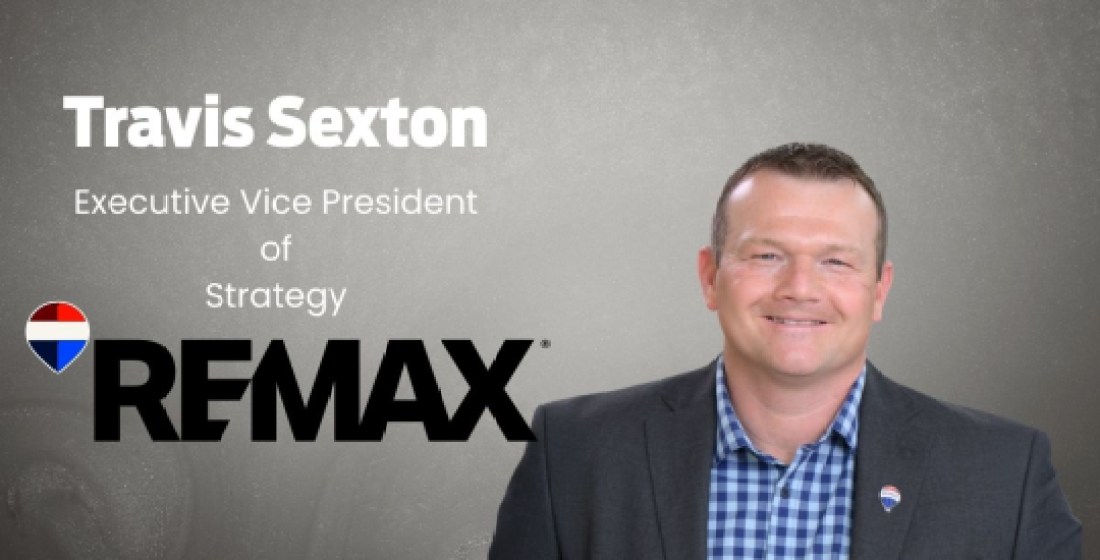
RE/MAX accelerates real estate innovation with AI and technology
RE/MAX is accelerating the integration of AI and cutting-edge technology to transform how agents engage with clients, generate leads, and deliver results. Initiatives like Max AI, MaxRefer, MaxEngage, and HomeView leverage real-time data, personalized marketing, and AI-driven tools to streamline the homeownership experience and empower its agents. Leading this innovation is Travis Saxton, EVP of Strategy at RE/MAX, who has spearheaded the rollout of these technologies, including AI-powered training through Sky AI and SkyStudio, redefining the future of real estate by combining human connection with next-generation tools.
Nov 17, 2025 3:44 am
Latest Articles

From resilience to antifragility: Rethinking cybersecurity for real estate and mortgage professionals
In information security, we’ve long spoken about resilience. The goal has been to withstand an attack, recover quickly, and return to business as usual. But in today’s environment—where attackers adapt and evolve daily—resilience is no longer enough. We must go further. We must embrace antifragility.
-
From local to global: RE/MAX’s Chris Lim on the next era of real estate relationships
-
Stop marketing like it’s 2008: You’re invisible
-
RE/MAX accelerates real estate innovation with AI and technology
-
Retirement plans for small-business owners have visible generational gaps
-
VA loans rise as housing market shifts toward buyers
Diana Golobay was a reporter with HousingWire through mid-2010, providing wide-ranging coverage of the U.S. financial crisis. She has since moved onto other roles as a writer and editor.see full bio