
Private capital may play a more prominent role in the takeover of failed depository institutions at a time when weekly bank failures take multimillion-dollar hits on the Federal Deposit Insurance Corp.‘s (FDIC) deposit insurance fund. The FDIC on Wednesday issued a final policy statement on the role of private equity in the acquisition of failed depository institutions. The adopted policy loosens some requirements from those in the proposed policy issued back in July. It aims to diffuse some of the costly hits to the insurance fund as well as encourage private capital infusions into the banking industry. “The Policy Statement strikes a thoughtful balance to attract non-traditional investors in insured depository institutions while maintaining the necessary safeguards to ensure that these investors approach banking in a way that is transparent, long term and prudent,” said FDIC chairman Sheila Bair in a media statement. “Most importantly, the statement assures that acquired institutions will have adequate capital, that there will be stability in management, and there will be strong protections to ensure that lending decisions will be both objective and independent.” Bair added: “It both protects the interests of taxpayers in a safe and sound banking system, and provides the guidance that investors need to evaluate investments in the deposit operations of failed institutions.” The FDIC noted in July the banking industry is in need of additional capital, and it issued a proposed statement aimed at facilitating private capital investments. It received letters from private investment firms, investment advisory firms, law firms, insured depository institutions and four US Senators. The overwhelming response to the proposed policy supposed the FDIC’s restrictions and limitations would deter private capital investments in depository institutions. Some raised concerns that the short-term objectives and limited regulatory oversight of private equity investors would do more long-term harm to the acquired institutions and the broader banking system. The FDIC made some changes since the proposed policy, including a refined description of the types of investors covered, an updated capital standard that better measures the available capital to absorb losses and a clarified set of circumstances in which the cross-support obligation would apply. Commenters specifically argued that the 15% Tier 1 leverage ratio required in depository institutions acquired by private capital investors under the proposed policy would put the investors at a competitive disadvantage relative to strategic acquirers. The adopted final policy provides for a ratio of Tier 1 common equity to total assets of no less than 10% for the first three years. After that, the requirement loosens with the FDIC seeking the depository institution remain “well capitalized.” Write to Diana Golobay.
 2 minute read
FDIC Loosens Capital Requirements for Private Capital Acquisitions
August 27, 2009, 9:00am

Diana Golobay was a reporter with HousingWire through mid-2010, providing wide-ranging coverage of the U.S. financial crisis. She has since moved onto other roles as a writer and editor.see full bio
Most Popular Articles
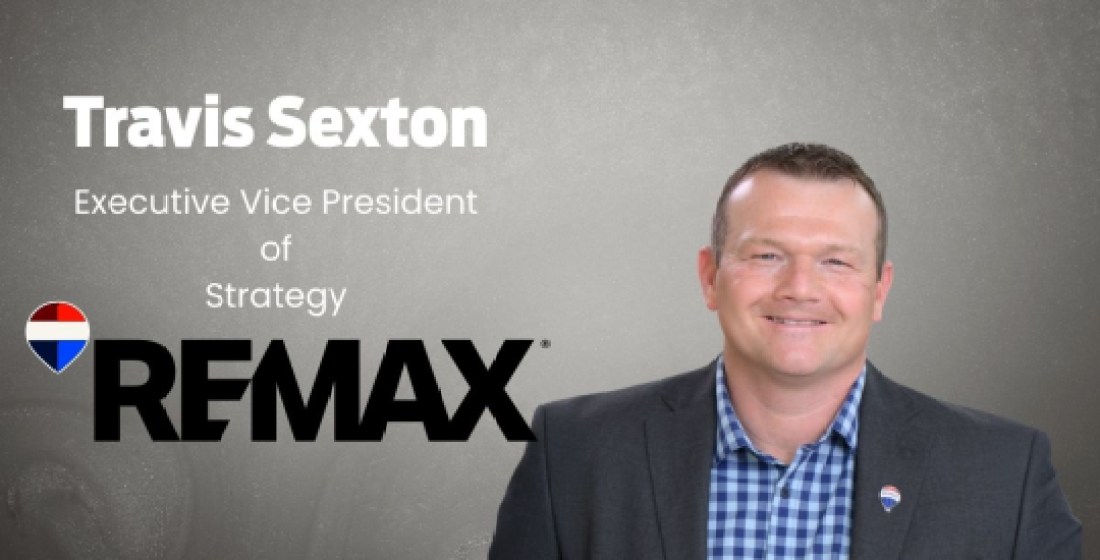
RE/MAX accelerates real estate innovation with AI and technology
RE/MAX is accelerating the integration of AI and cutting-edge technology to transform how agents engage with clients, generate leads, and deliver results. Initiatives like Max AI, MaxRefer, MaxEngage, and HomeView leverage real-time data, personalized marketing, and AI-driven tools to streamline the homeownership experience and empower its agents. Leading this innovation is Travis Saxton, EVP of Strategy at RE/MAX, who has spearheaded the rollout of these technologies, including AI-powered training through Sky AI and SkyStudio, redefining the future of real estate by combining human connection with next-generation tools.
Nov 17, 2025 3:44 am
Latest Articles

From resilience to antifragility: Rethinking cybersecurity for real estate and mortgage professionals
In information security, we’ve long spoken about resilience. The goal has been to withstand an attack, recover quickly, and return to business as usual. But in today’s environment—where attackers adapt and evolve daily—resilience is no longer enough. We must go further. We must embrace antifragility.
-
From local to global: RE/MAX’s Chris Lim on the next era of real estate relationships
-
Stop marketing like it’s 2008: You’re invisible
-
RE/MAX accelerates real estate innovation with AI and technology
-
Retirement plans for small-business owners have visible generational gaps
-
VA loans rise as housing market shifts toward buyers
Diana Golobay was a reporter with HousingWire through mid-2010, providing wide-ranging coverage of the U.S. financial crisis. She has since moved onto other roles as a writer and editor.see full bio