

Fannie Mae said Friday morning that its mortgage investment portfolio grew at a 17.3 percent annual rate in October, largely the result of a $7.1 billion purchase of a Lehman Brothers credit facility. The investment portfolio reached $732.3 billion, the GSE reported, which was within the portfolio cap mandated by the Office of Federal Housing Enterprise overshight. Click here to see the monthly summary. Purchase commitments dropped precipitously in October, however, falling to $26 billion from $40.2 billion in September — a sign of slowing origination activity and a harbinger of potentially significant drop in future securities issuance volume. Fannie also reported that total residential delinquences continued their upward trend, reaching their highest levels since at least November 1997. Serious delinquency rates among conventional single-family mortgages, defined as mortgages 60 or more days past due, increased 7 basis points reached a total 0.78 percent of loans. Delinquencies among Fannie credit-enhanced mortgage holdings reached 2.18 percent in October, the highest level in at least five years. For more information, visit http://www.fanniemae.com.
 1 minute read
Fannie Sees Investment Portfolio Grow in October; Delinquencies Reach Highest Level in 10 Years
November 30, 2007, 10:26am

Paul Jackson is the former publisher and CEO at HousingWire.see full bio
Most Popular Articles
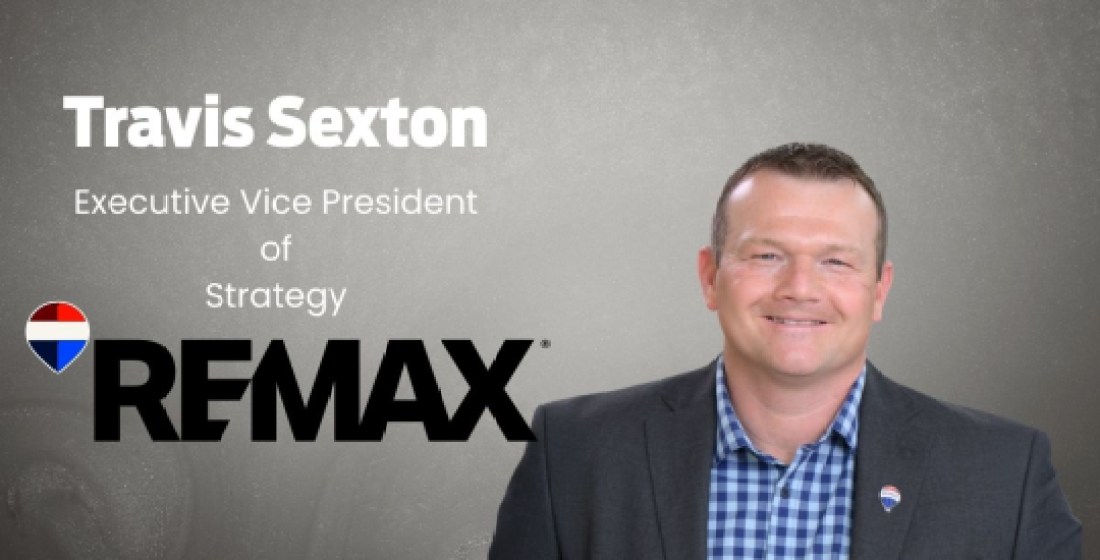
RE/MAX accelerates real estate innovation with AI and technology
RE/MAX is accelerating the integration of AI and cutting-edge technology to transform how agents engage with clients, generate leads, and deliver results. Initiatives like Max AI, MaxRefer, MaxEngage, and HomeView leverage real-time data, personalized marketing, and AI-driven tools to streamline the homeownership experience and empower its agents. Leading this innovation is Travis Saxton, EVP of Strategy at RE/MAX, who has spearheaded the rollout of these technologies, including AI-powered training through Sky AI and SkyStudio, redefining the future of real estate by combining human connection with next-generation tools.
Nov 17, 2025 3:44 am
Latest Articles

From resilience to antifragility: Rethinking cybersecurity for real estate and mortgage professionals
In information security, we’ve long spoken about resilience. The goal has been to withstand an attack, recover quickly, and return to business as usual. But in today’s environment—where attackers adapt and evolve daily—resilience is no longer enough. We must go further. We must embrace antifragility.
-
From local to global: RE/MAX’s Chris Lim on the next era of real estate relationships
-
Stop marketing like it’s 2008: You’re invisible
-
RE/MAX accelerates real estate innovation with AI and technology
-
Retirement plans for small-business owners have visible generational gaps
-
VA loans rise as housing market shifts toward buyers
Paul Jackson is the former publisher and CEO at HousingWire.see full bio


