3 minute read
Sheila Bair recently departed the Federal Deposit Insurance Corp. to go into the private sector. Oddly enough, one of my first thoughts after she left was covered bond legislation may now stand a better chance of passing. This was immediately followed by a second thought that my first thought was wrong. Reps. Scott Garrett (R-N.J.) and Maloney (D-N.Y.) introduced the Covered Bond Act of 2011 in March. There are dollar-denominated covered bonds, and even some platforms to support the structured finance product in the United States, but nothing considered a strong market presence. To get there, covered bond supporters say they need clear legislation that establishes resolution authority in case things start to go wrong. The proposed covered bond legislation advanced through the House Financial Services Committee and now awaits adoption by the House in a floor vote. There is, as yet, no version of the bill in the Senate. According to a note from Philadelphia-based law firm Dechert LLP, the House Ways and Means Committee must comment on the tax provisions in the bill, which clarify the tax treatment of a covered bond estate that is established when a covered bond issuer fails. “However, Rep. Garrett has expressed concern that extending the FDIC’s oversight functions to such a degree would subject investors to prepayment risks that do not belong in the definition of a working covered bond market,” Tuesday’s note from Dechert states. “Industry participants also expressed concern that overly restrictive legislation would hinder the development of a U.S. covered bond market and thereby prevent the creation of an additional credit funding tool for U.S. financial institutions,” the lawyers said. Dechert also reiterates the FDIC’s concerns on covered bonds legislation. Considering covered bonds leave investors recourse to collateral in bonds that default, the FDIC worries it may be left on the hook for losses if issuers fail as well. Despite being successful at dealing with legacy assets either through straight sales or securitization, the FDIC, it seems, is not interested in covered bonds. After all, it cannot sell the assets if investors have recourse to them. With Bair’s departure, it was hoped she may take the covered bond weariness with her. That hope was shattered with an email from credit ratings agency DBRS. “There has been an active lobby of the FDIC by legislators and some industry participants with the FDIC not yet relinquishing that they would be entitled to first right to the assets in the case of a covered bond issuer default,” according to DBRS analysts. Martin Gruenberg, vice chairman of the FDIC and the person some believe will be President Obama’s choice to succeed Bair, “recently reiterated a variation of this position stating that in the event of a bank failure, the FDIC, and not investors, should have first rights to any excess collateral included in a covered-bond offering,” the DBRS analysts conclude. So Bair may be able to leave the FDIC, but it appears, at least on the covered bond front, the FDIC is not leaving Bair. Write to Jacob Gaffney. Follow him on Twitter @jacobgaffney.

Jacob Gaffney is formerly Editor-in-Chief of HousingWire and HousingWire.com. He previously covered securitization for Reuters and Source Media in London before returning to the United States in 2009. While in Europe for nearly a decade, he covered bank loans and the high yield market, in addition to commercial paper, student loan, auto and credit card space(s).see full bio
Most Popular Articles
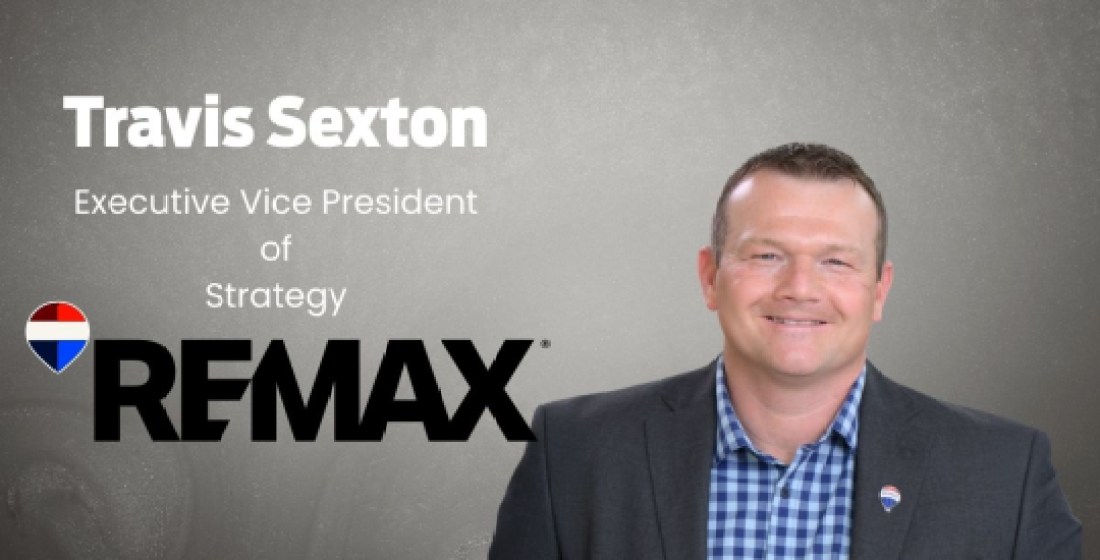
RE/MAX accelerates real estate innovation with AI and technology
RE/MAX is accelerating the integration of AI and cutting-edge technology to transform how agents engage with clients, generate leads, and deliver results. Initiatives like Max AI, MaxRefer, MaxEngage, and HomeView leverage real-time data, personalized marketing, and AI-driven tools to streamline the homeownership experience and empower its agents. Leading this innovation is Travis Saxton, EVP of Strategy at RE/MAX, who has spearheaded the rollout of these technologies, including AI-powered training through Sky AI and SkyStudio, redefining the future of real estate by combining human connection with next-generation tools.
Nov 17, 2025 3:44 am
Latest Articles

From resilience to antifragility: Rethinking cybersecurity for real estate and mortgage professionals
In information security, we’ve long spoken about resilience. The goal has been to withstand an attack, recover quickly, and return to business as usual. But in today’s environment—where attackers adapt and evolve daily—resilience is no longer enough. We must go further. We must embrace antifragility.
-
From local to global: RE/MAX’s Chris Lim on the next era of real estate relationships
-
Stop marketing like it’s 2008: You’re invisible
-
RE/MAX accelerates real estate innovation with AI and technology
-
Retirement plans for small-business owners have visible generational gaps
-
VA loans rise as housing market shifts toward buyers
Jacob Gaffney is formerly Editor-in-Chief of HousingWire and HousingWire.com. He previously covered securitization for Reuters and Source Media in London before returning to the United States in 2009. While in Europe for nearly a decade, he covered bank loans and the high yield market, in addition to commercial paper, student loan, auto and credit card space(s).see full bio