

Moving mortgage documents onto entirely electronic platforms provides numerous cost and operating efficiencies. It also doesn’t help that the industry is slow to adopt the necessary technology, experts say. A panel at the Mortgage Bankers Association national technology in mortgage banking conference in South Florida Monday said electronic signatures and contracts are as valid as paper signatures and contracts. Harry Gardner, president of SigniaDocs, said the perfect infrastructure is one that manages all mortgage documents electronically, but the number of loans in the Mortgage Electronic Registration Systems’ eRegistry is about 200,000, or “a small fraction of mortgages written in the last 10 years.” “And by eMortgage, we mean truly paperless not some hybrid of some paper and some electronic documentation,” Gardener said. “Ten years ago, we were saying mainstream eMortgage documentation was three to five years away, and I’m happy to say that mainstream eMortgage documentation is now three to five years away.” Chris Christensen, an attorney with PeirsonPatterson, said a fully electronic mortgage process helps lenders, borrowers and investors alike. The traditional paper-based closing process takes about an hour and a half, but the electronic close can take as little as 15 minutes, “with doughnuts,” according to Christensen. Meanwhile investors like it because they can quickly and easily access all the data. “Investors are taking a more data-centric approach to loans and we’re going to see more and more investors combing through every data point as they try to restart the (mortgage-backed securities) market,” Christensen said. Christensen also said eMortgage platforms provide a bit of legal loophole because the law is actually ahead of the technology. “Some industry lawyers argue that e-notes aren’t real, saying ‘show me the original note,’ but that’s not a valid defense,” Christensen said. “Your state law says e-notes are original. We live in a world where electronic signatures are regularly honored” as the equivalent of an ink signature. Brenda Clem, senior director mortgage product manager at Equifax, said the foundation for moving the entire mortgage process to an all-electronic system is already in place. “This truly is a process we need to adopt to move our industry forward,” Clem said. “It allows us to respond to regulatory changes with greater efficiency, while enhancing the borrower experience and resulting in higher closing ratios and pull throughs that result in greater revenue,” Clem said. Write to Jason Philyaw.
 2 minute read
Electronic mortages: There is a way, but not enough will, tech panel finds
March 28, 2011, 12:23pm

Jason Philyaw was a reporter with HousingWire through mid-2012.see full bio
Most Popular Articles
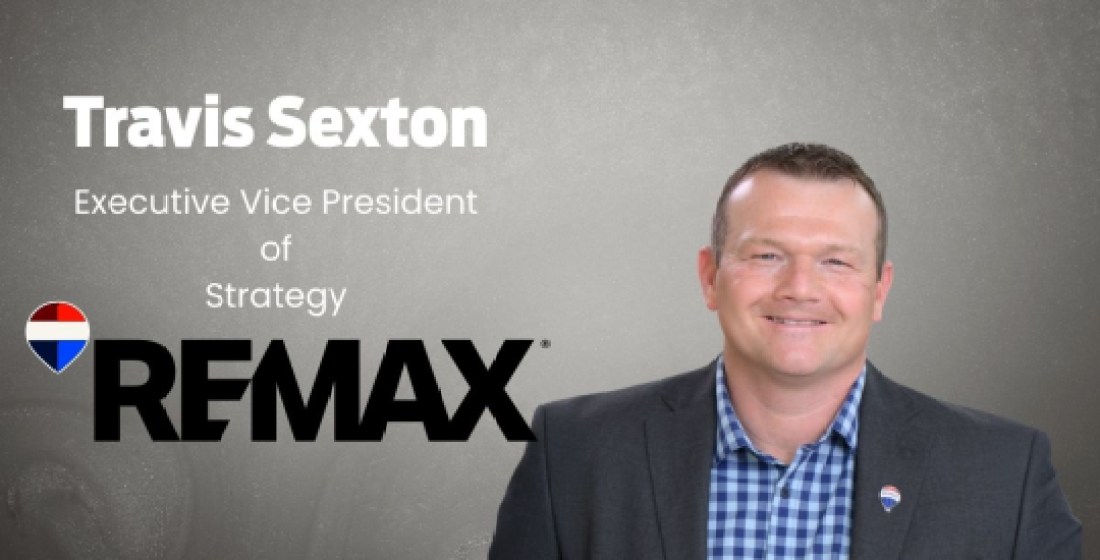
RE/MAX accelerates real estate innovation with AI and technology
RE/MAX is accelerating the integration of AI and cutting-edge technology to transform how agents engage with clients, generate leads, and deliver results. Initiatives like Max AI, MaxRefer, MaxEngage, and HomeView leverage real-time data, personalized marketing, and AI-driven tools to streamline the homeownership experience and empower its agents. Leading this innovation is Travis Saxton, EVP of Strategy at RE/MAX, who has spearheaded the rollout of these technologies, including AI-powered training through Sky AI and SkyStudio, redefining the future of real estate by combining human connection with next-generation tools.
Nov 17, 2025 3:44 am
Latest Articles

From resilience to antifragility: Rethinking cybersecurity for real estate and mortgage professionals
In information security, we’ve long spoken about resilience. The goal has been to withstand an attack, recover quickly, and return to business as usual. But in today’s environment—where attackers adapt and evolve daily—resilience is no longer enough. We must go further. We must embrace antifragility.
-
From local to global: RE/MAX’s Chris Lim on the next era of real estate relationships
-
Stop marketing like it’s 2008: You’re invisible
-
RE/MAX accelerates real estate innovation with AI and technology
-
Retirement plans for small-business owners have visible generational gaps
-
VA loans rise as housing market shifts toward buyers
Jason Philyaw was a reporter with HousingWire through mid-2012.see full bio


