
 2 minute read
The set of risk management regulations that are currently gaining steam globally, the Basel II standards, are increasingly falling under critical eyes as the system gains worldwide support. The bureaucracy that drives the development and implementation of Basel II is headquartered at the Bank for International Settlements in Basel, Switzerland. Representative from member nations regularly met to discuss practical solutions to the management of bank activities in an attempt to promote stability. Standards are set on the amount of regulatory capital a bank should maintain, and a framework managing risks associated with liquidity are among the ‘pillars’ of Basel II. A third pillar deals with disclosure and transparency practices. The system has its share of critics. Most recently Fitch Ratings, which recently tightened criteria for collateralized debt obligation risks, argues that as part of the proposed Basel II enhancements under Pillar 1 the risk weights for ‘re-securitizations’ will be increased relative to the risk-weights on other forms of securitization exposure. Basically, when re-organizing risky or unpopular structured finance platforms (or both, in the case of CDOs), Basel II does not regulate concentration risk, those associated with pooling according to vintage or geographic area, effectively. This may negatively impact ratings. “In concept, similar risk exposures should face similar capital charges, irrespective of the form that the exposure takes. When layering the higher proposed Basel II re-securitization charges onto the additional conservatism of Fitch’s SF CDO criteria, our analysis indicates that the Basel II capital charges on the full SF CDO capital structure could be several multiples higher than the Basel II charges on the entire underlying pool of structured finance collateral, even though the risk exposure is essentially the same,” says Ian Linnell, a director in the Fitch Structured Finance group. Despite Linnell’s criticism, Fitch remains an ardent supporter of Basel II, which recently invited Brazil, Russia, India and China (BRIC nations) as well as Australia, Korea and Mexico to adopt the standards. The present crisis demonstrates the disruptive effects of procyclicality on banks — where the interconnection between the financial and real estate sectors boosts macroeconomic contraction that extends to retail, industry, commodity etc. – and critics say Basel II must quickly evolve to address and, going forward, prevent this phenomena. Their fear is that Basel II will be moot by the time it is formally adopted. A prime example of this in action is that in its current, revised form Basel II does not adequately address counterparty risks. Such a tool would be necessary to avert the widespread damage caused by the collapse of Lehman Brothers, which happened more than six months ago. Write to Jacob Gaffney at jacob.gaffney@housingwire.com.

Jacob Gaffney is formerly Editor-in-Chief of HousingWire and HousingWire.com. He previously covered securitization for Reuters and Source Media in London before returning to the United States in 2009. While in Europe for nearly a decade, he covered bank loans and the high yield market, in addition to commercial paper, student loan, auto and credit card space(s).see full bio
Most Popular Articles
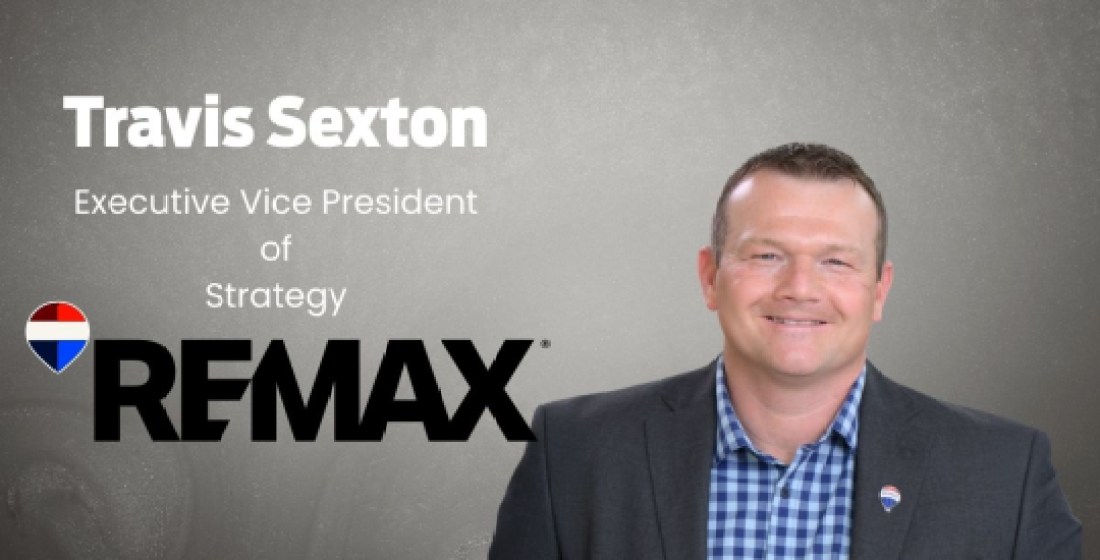
RE/MAX accelerates real estate innovation with AI and technology
RE/MAX is accelerating the integration of AI and cutting-edge technology to transform how agents engage with clients, generate leads, and deliver results. Initiatives like Max AI, MaxRefer, MaxEngage, and HomeView leverage real-time data, personalized marketing, and AI-driven tools to streamline the homeownership experience and empower its agents. Leading this innovation is Travis Saxton, EVP of Strategy at RE/MAX, who has spearheaded the rollout of these technologies, including AI-powered training through Sky AI and SkyStudio, redefining the future of real estate by combining human connection with next-generation tools.
Nov 17, 2025 3:44 am
Latest Articles

From resilience to antifragility: Rethinking cybersecurity for real estate and mortgage professionals
In information security, we’ve long spoken about resilience. The goal has been to withstand an attack, recover quickly, and return to business as usual. But in today’s environment—where attackers adapt and evolve daily—resilience is no longer enough. We must go further. We must embrace antifragility.
-
From local to global: RE/MAX’s Chris Lim on the next era of real estate relationships
-
Stop marketing like it’s 2008: You’re invisible
-
RE/MAX accelerates real estate innovation with AI and technology
-
Retirement plans for small-business owners have visible generational gaps
-
VA loans rise as housing market shifts toward buyers
Jacob Gaffney is formerly Editor-in-Chief of HousingWire and HousingWire.com. He previously covered securitization for Reuters and Source Media in London before returning to the United States in 2009. While in Europe for nearly a decade, he covered bank loans and the high yield market, in addition to commercial paper, student loan, auto and credit card space(s).see full bio