
 2 minute read
What would you call something that only 1 percent of consumers heartily approved of? According to a study sponsored by TrueCredit.com and conducted by Harris Interactive, you’d call it the $700 billion government-led financial bailout. The Harris study of consumer attitudes towards the bailout plan found that only one percent felt it would be “very effective” in resolving the nation’s financial crisis — and another 38 percent were adamant in their belief that the bailout will be “not at all effective,” according to the study released Thursday morning. 52 percent of those surveyed were lukewarm towards the proposal, feeling it would be “somewhat effective.” Regardless, in the short term, the economic climate is likely to affect consumers’ spending habits. In fact, a majority — 68 percent of those surveyed — said they already spend, or plan to spend less as a result of the current economic climate. Somewhat surprisingly, however, three in ten said their spending habits have not and will not change (we’re thinking those in the latter category are the same ones that took out option ARMs, but we’re probably just cynical). And denial clearly runs deep, beyond s belief that spending habits won’t need to change: less than one in five consumers surveyed said the believed their credit score will be affected by the current economic climate. The ideas about about spending may come in the form of reduced savings for retirement: nearly half of consumers — 47 percent — said the current financial crisis will affect retirement savings, while 30 percent said it will affect when they will be able to retire. Only 24 percent of adults, however, think their ability to be approved for a loan or mortgage will be impacted by the current economic climate. More proof, we suppose, that consumers have no idea what they’re actually talking about. For more information, visit http://www.truecredit.com.

Paul Jackson is the former publisher and CEO at HousingWire.see full bio
Most Popular Articles
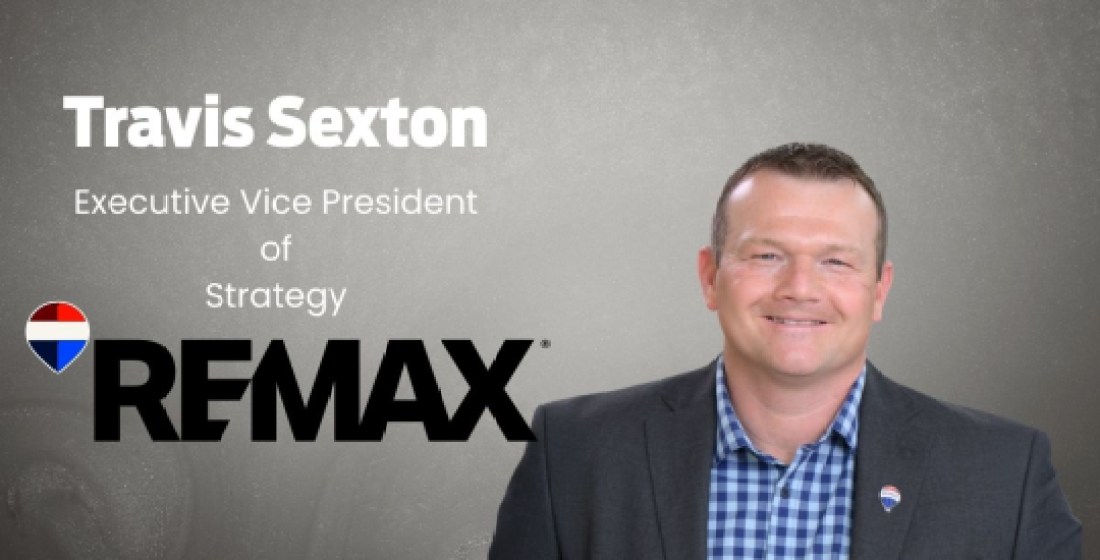
RE/MAX accelerates real estate innovation with AI and technology
RE/MAX is accelerating the integration of AI and cutting-edge technology to transform how agents engage with clients, generate leads, and deliver results. Initiatives like Max AI, MaxRefer, MaxEngage, and HomeView leverage real-time data, personalized marketing, and AI-driven tools to streamline the homeownership experience and empower its agents. Leading this innovation is Travis Saxton, EVP of Strategy at RE/MAX, who has spearheaded the rollout of these technologies, including AI-powered training through Sky AI and SkyStudio, redefining the future of real estate by combining human connection with next-generation tools.
Nov 17, 2025 3:44 am
Latest Articles

From resilience to antifragility: Rethinking cybersecurity for real estate and mortgage professionals
In information security, we’ve long spoken about resilience. The goal has been to withstand an attack, recover quickly, and return to business as usual. But in today’s environment—where attackers adapt and evolve daily—resilience is no longer enough. We must go further. We must embrace antifragility.
-
From local to global: RE/MAX’s Chris Lim on the next era of real estate relationships
-
Stop marketing like it’s 2008: You’re invisible
-
RE/MAX accelerates real estate innovation with AI and technology
-
Retirement plans for small-business owners have visible generational gaps
-
VA loans rise as housing market shifts toward buyers
Paul Jackson is the former publisher and CEO at HousingWire.see full bio