
 1 minute read
Congress has passed legislation that limit will provide a temporary, three-year change to the tax code to eliminate any taxes home owners may face if a lender forgives a portion of outstanding mortgage debt — whether a deficiency in foreclosure, or a loan modification. The House on late Tuesday approved Senate-led revisions to HR 3648, the Mortgage Forgiveness Debt Relief Act of 2007, which essentially limited the tax relief measures to a three-year period. The original House version of the bill would have established a permenant exemption on forgiven debt, something the Bush administration opposed. The changes to Section 108 of the Internal Revenue Code will cap untaxable forgiven debt at $2 million and apply only to principal residences. The legislation passed by Congress also includes a provision that extends the deductibility of mortgage insurance for three more years, something that mortgage insurers The PMI Group, Inc. and Triad Guaranty Inc. were quick to praise. Borrowers with adjusted gross incomes below $100,000 can currently deduct 100 percent of their mortgage insurance premium costs, while the deductions phase out on income levels between $100,000 and $109,000. President Bush is expected to sign the legislation into law before the end of the year, according to most media reports.

Paul Jackson is the former publisher and CEO at HousingWire.see full bio
Most Popular Articles
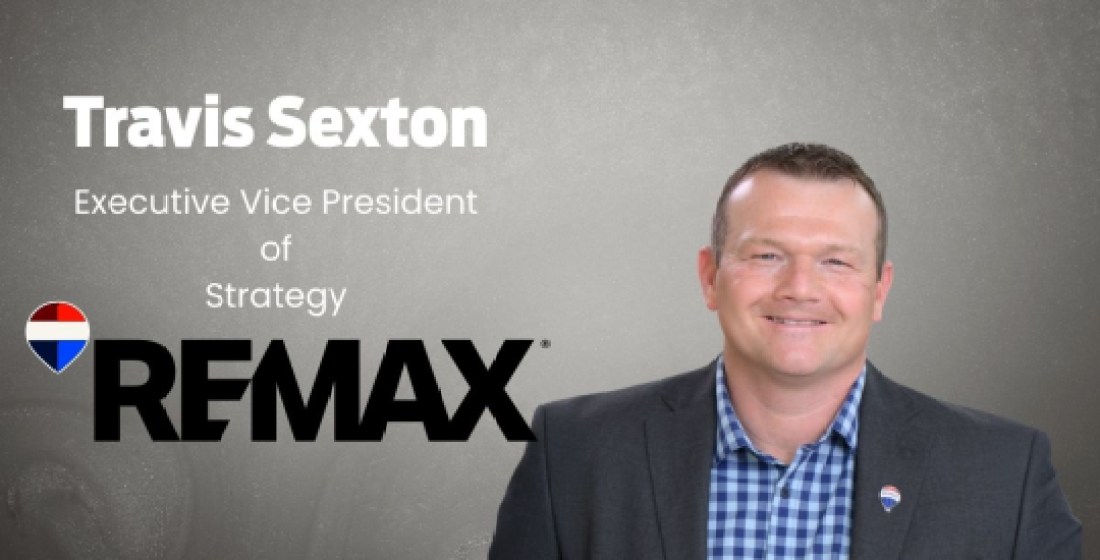
RE/MAX accelerates real estate innovation with AI and technology
RE/MAX is accelerating the integration of AI and cutting-edge technology to transform how agents engage with clients, generate leads, and deliver results. Initiatives like Max AI, MaxRefer, MaxEngage, and HomeView leverage real-time data, personalized marketing, and AI-driven tools to streamline the homeownership experience and empower its agents. Leading this innovation is Travis Saxton, EVP of Strategy at RE/MAX, who has spearheaded the rollout of these technologies, including AI-powered training through Sky AI and SkyStudio, redefining the future of real estate by combining human connection with next-generation tools.
Nov 17, 2025 3:44 am
Latest Articles

From resilience to antifragility: Rethinking cybersecurity for real estate and mortgage professionals
In information security, we’ve long spoken about resilience. The goal has been to withstand an attack, recover quickly, and return to business as usual. But in today’s environment—where attackers adapt and evolve daily—resilience is no longer enough. We must go further. We must embrace antifragility.
-
From local to global: RE/MAX’s Chris Lim on the next era of real estate relationships
-
Stop marketing like it’s 2008: You’re invisible
-
RE/MAX accelerates real estate innovation with AI and technology
-
Retirement plans for small-business owners have visible generational gaps
-
VA loans rise as housing market shifts toward buyers
Paul Jackson is the former publisher and CEO at HousingWire.see full bio