

 3 minute read
Things are changing in America. We asked for it. Now all we have to do is keep up with it. Of course, that may be problematic when we’re dealing with new bills passed without even being read by Congress and signed into law alongside executive orders that may or may not change the letter of the law. This, all piled on top of a regulatory system that has proven inadequate for policing the laws we already have on the books—even if they were given additional budget for enforcement, which they are not. Fun times. Unless you’re a mortgage lender, that is. Then it’s what we call a compliance nightmare. Lenders thought they had it bad when multiple jurisdictions could layer on multiple anti-predatory lending laws, all using different formulas, and expect the lender to do business without violating any of them. That was a lot of hoops to jump through, back in the day. Of course, any lender can handle that now. It’s all locked into the computer. The automatic audits will scan the deal, slap it up against all the different formulas and come back with a list of possible problems, nicely sorted by jurisdiction. Naw, that stuff’s easy today. What’s hard is knowing what impact a new regulation may have on your business when you’re not sure if the agency that is handing down the regulation even has jurisdiction over your institution (which may not even matter if it allies with a mission-critical player, like a GSE) or, if it does, how it may impact your partners, your technology requirements and ultimately your costs of doing business. Compliance costs are skyrocketing for lenders and it will get much worse before it gets any better. Lenders can’t afford not to have professional legal support for every deal they originate because buying back a $250,000 loan that they make a couple of basis points on is like a spike through the heart. The more muddled the compliance landscape gets, i.e. the more the government tries to fix things by putting laws in books instead of enforcement officers on the street, the more lenders will be forced to spend on compliance attorneys to stay in business. And they’d better hire the best ones out there, because it won’t be long before that’s just one more metric they’ll be measured against. When non-government-owned investors come back into the mortgage secondary market, they’ll want to know three things: whether the institution that originated the loan has the capital to buy it back if required to, whether the technology is in place to give the investor full visibility into the loan pool for as long as they own it, and what kind of compliance protection the originator had when they closed the loans. I wouldn’t be surprised if we ended up with some kind of lender score investors use that’s analogous to the FICO score for consumers. A measure of how well they meet all the real needs of tomorrow’s investors. Those lenders with a higher score will either make more money on every loan they sell into the secondary market or be the only ones selling loans into the market. But the biggest part of the score will likely be related to the lender’s ability to never fall out of compliance with any law or regulator or investor requirement. How well will they be able to stay within the lines when new lines are being drawn all over the map all the time? We’ve seen some big changes over the last year or so in our financial services regulatory environment, but nothing like what health care has seen. The health care industry doesn’t even know yet what it’s going to see because no one has read the law they passed yet, but it will be significant. And painful for many. Lenders who think they can avoid the same fate in a political environment like the one we’re living in today will need more than good compliance protection. They’ll need to think again.

Rick Grant is a writer and communications consultant based in Madison, Wisconsin. He operates RGA Public Relations, a company he founded in early 2007 to provide businesses in the mortgage industry with customized, strategic communications solutions. The firm currently supports some of the industry's top thought leaders.see full bio
Most Popular Articles
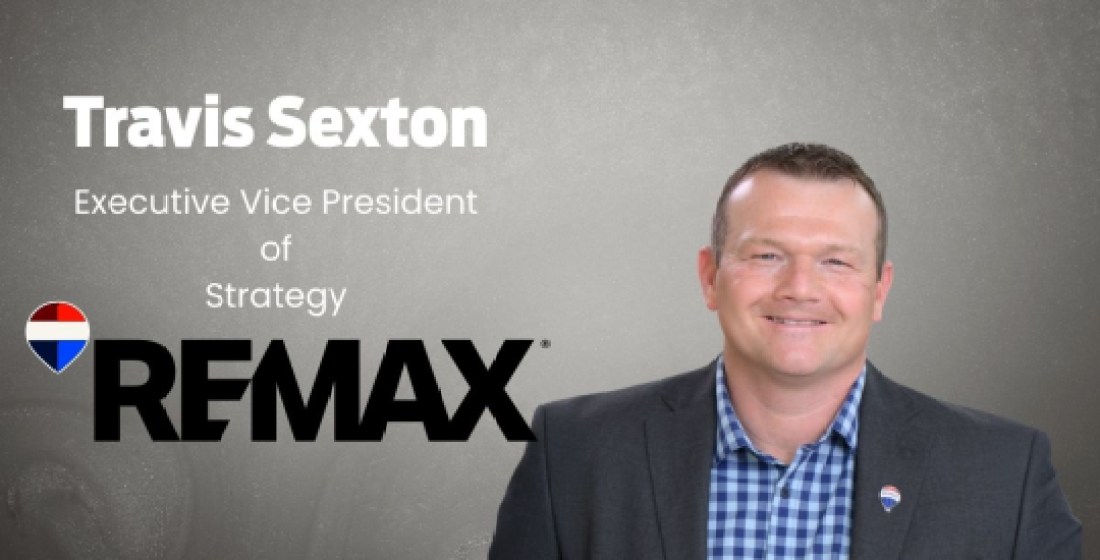
RE/MAX accelerates real estate innovation with AI and technology
RE/MAX is accelerating the integration of AI and cutting-edge technology to transform how agents engage with clients, generate leads, and deliver results. Initiatives like Max AI, MaxRefer, MaxEngage, and HomeView leverage real-time data, personalized marketing, and AI-driven tools to streamline the homeownership experience and empower its agents. Leading this innovation is Travis Saxton, EVP of Strategy at RE/MAX, who has spearheaded the rollout of these technologies, including AI-powered training through Sky AI and SkyStudio, redefining the future of real estate by combining human connection with next-generation tools.
Nov 17, 2025 3:44 am
Latest Articles

From resilience to antifragility: Rethinking cybersecurity for real estate and mortgage professionals
In information security, we’ve long spoken about resilience. The goal has been to withstand an attack, recover quickly, and return to business as usual. But in today’s environment—where attackers adapt and evolve daily—resilience is no longer enough. We must go further. We must embrace antifragility.
-
From local to global: RE/MAX’s Chris Lim on the next era of real estate relationships
-
Stop marketing like it’s 2008: You’re invisible
-
RE/MAX accelerates real estate innovation with AI and technology
-
Retirement plans for small-business owners have visible generational gaps
-
VA loans rise as housing market shifts toward buyers
Rick Grant is a writer and communications consultant based in Madison, Wisconsin. He operates RGA Public Relations, a company he founded in early 2007 to provide businesses in the mortgage industry with customized, strategic communications solutions. The firm currently supports some of the industry's top thought leaders.see full bio


