2 minute read
This week, President Barack Obama is expected to propose a massive regulatory overhaul of the financial and banking industry. The proposal puts the Federal Reserve in the position of systemic regulator to manage the largest financial institutions. It also puts the government in control of breaking up systemically important institutions and calls for the creation of a consumer-oriented financial product regulator, unnamed sources told the Wall Street Journal. The revamped regulation would mandate new rules of the financial industry on many fronts, from mortgage underwriting to the trading of exotic financial instruments, according to the WSJ. Reports last week indicated the overhaul proposal would see regulators take on broader authority, rather than the consolidation of several agencies into one, as reports had stated before. The proposal, slated to arrive as early as Wednesday, is already making waves in the industry as market players anticipate the largest reform since the policy responses to the Great Depression. The Securities Industry and Financial Markets Association (SIFMA) has voiced its support for the overhaul and specifically for regulatory reform in the derivatives market. Over-the-counter derivatives, SIFMA said, play an important role in hedging companies against a wide range of risks and should be protected in any regulatory reform adopted. Regulatory reform on the part of the Federal Reserve, in particular, should consider trading and other capital market activities, according to a speech today by Daniel Tarullo, member of the board of governors of the Federal Reserve Board. In comments on regulation of systemically significant financial firms and community banks, Tarullo says systemic risk was essentially built into the financial system. The regulatory overhaul, therefore, must take steps to address this deep-set risk. The Fed must strengthen its existing regulations in cases with significant bank involvement in trading and markets, according to his statements. Tarullo also calls for the Fed to look at bank holding companies as more systemic when considering their risk and risk management. “There is a growing, though certainly not unanimous, view that supervision and regulation must be substantially more oriented toward containing systemic risk and addressing the associated problems posed by institutions considered too-big-to-fail,” he says. “The public policy agenda will thus rightly be dominated for some time by proposals for legislative and administrative measures directed at systemic risk.” Write to Diana Golobay. Disclosure: The author held no relevant investment positions when this story was published. Indirect holdings may exist via mutual fund investments.

Diana Golobay was a reporter with HousingWire through mid-2010, providing wide-ranging coverage of the U.S. financial crisis. She has since moved onto other roles as a writer and editor.see full bio
Most Popular Articles
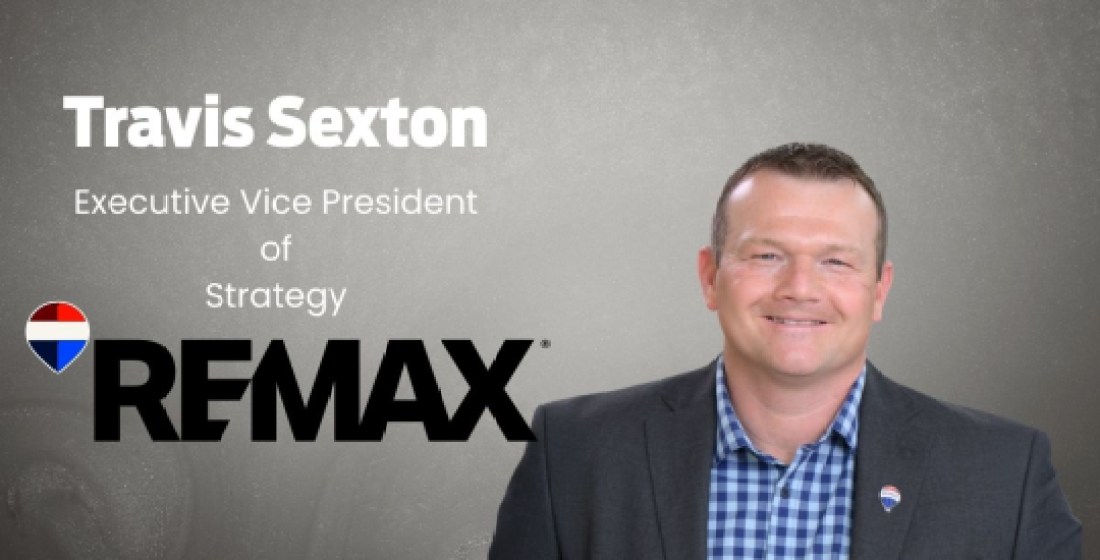
RE/MAX accelerates real estate innovation with AI and technology
RE/MAX is accelerating the integration of AI and cutting-edge technology to transform how agents engage with clients, generate leads, and deliver results. Initiatives like Max AI, MaxRefer, MaxEngage, and HomeView leverage real-time data, personalized marketing, and AI-driven tools to streamline the homeownership experience and empower its agents. Leading this innovation is Travis Saxton, EVP of Strategy at RE/MAX, who has spearheaded the rollout of these technologies, including AI-powered training through Sky AI and SkyStudio, redefining the future of real estate by combining human connection with next-generation tools.
Nov 17, 2025 3:44 am
Latest Articles

From resilience to antifragility: Rethinking cybersecurity for real estate and mortgage professionals
In information security, we’ve long spoken about resilience. The goal has been to withstand an attack, recover quickly, and return to business as usual. But in today’s environment—where attackers adapt and evolve daily—resilience is no longer enough. We must go further. We must embrace antifragility.
-
From local to global: RE/MAX’s Chris Lim on the next era of real estate relationships
-
Stop marketing like it’s 2008: You’re invisible
-
RE/MAX accelerates real estate innovation with AI and technology
-
Retirement plans for small-business owners have visible generational gaps
-
VA loans rise as housing market shifts toward buyers
Diana Golobay was a reporter with HousingWire through mid-2010, providing wide-ranging coverage of the U.S. financial crisis. She has since moved onto other roles as a writer and editor.see full bio