1 minute read
On her last day as Federal Deposit Insurance Corp. chairman, Sheila Bair appointed Stephen Quick as the regulator’s first chief risk officer. Quick will take the position Aug. 15. Since 2000, he served as director of the office of evaluation and oversight at the Inter-American Development Bank, a $100 billion financial institution. “I’m very pleased to have established the position of chief risk officer at the FDIC and to announce the selection of Stephen for the position,” Bair, who will leave her position Friday and join the Pew Charitable Trust as a senior adviser, said. “His depth of experience in both the finance and policy fields will benefit the FDIC as it formalizes and expands its corporate-wide risk management program.” Quick has also served as the executive director of the Joint Economic Committee of Congress and was the chief economist to the House committee on banking, finance and urban affairs. The FDIC is not the first government agency to add a chief risk officer post-crisis. The Federal Housing Administration established the office in October 2009 and appointed the now acting director Bob Ryan to the position. Write to Jon Prior. Follow him on Twitter @JonAPrior.
About Jon Prior
Jon Prior was a reporter with HousingWire through late 2012.see full bio
Most Popular Articles
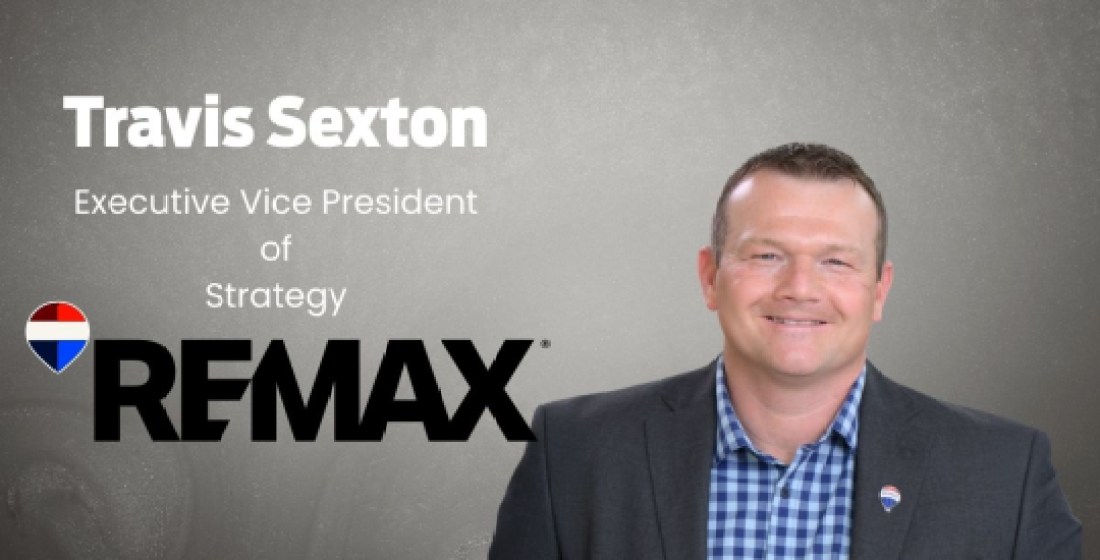
RE/MAX accelerates real estate innovation with AI and technology
RE/MAX is accelerating the integration of AI and cutting-edge technology to transform how agents engage with clients, generate leads, and deliver results. Initiatives like Max AI, MaxRefer, MaxEngage, and HomeView leverage real-time data, personalized marketing, and AI-driven tools to streamline the homeownership experience and empower its agents. Leading this innovation is Travis Saxton, EVP of Strategy at RE/MAX, who has spearheaded the rollout of these technologies, including AI-powered training through Sky AI and SkyStudio, redefining the future of real estate by combining human connection with next-generation tools.
Nov 17, 2025 3:44 am
Latest Articles

From resilience to antifragility: Rethinking cybersecurity for real estate and mortgage professionals
In information security, we’ve long spoken about resilience. The goal has been to withstand an attack, recover quickly, and return to business as usual. But in today’s environment—where attackers adapt and evolve daily—resilience is no longer enough. We must go further. We must embrace antifragility.
-
From local to global: RE/MAX’s Chris Lim on the next era of real estate relationships
-
Stop marketing like it’s 2008: You’re invisible
-
RE/MAX accelerates real estate innovation with AI and technology
-
Retirement plans for small-business owners have visible generational gaps
-
VA loans rise as housing market shifts toward buyers
About Jon Prior
Jon Prior was a reporter with HousingWire through late 2012.see full bio