2 minute read
And then there was one and none — one, meaning only one remaining AAA-rated monoline bond guarantor; and none, meaning none of the guarantors that started 2008 rated AAA currently carry the rating at each major agency. Moody’s Investors Service yanked its top ratings on both Assured Guaranty Ltd. and Dexia SA’s Financial Security Assurance Inc. on Friday, as a new criteria and industry outlook affected the core ratings at each firm. Assured saw its insurer financial strength ratings dropped to Aa2 from Aaa, while FSA saw its ratings dropped one notch further, to Aa3. Warren Buffett’s Berkshire Hathaway Assurance Corp. now stands as the only top-rated bond insurer at the rating agency. The downgrade at Assured certainly raised some eyebrows, as the firm largely steered clear of underwriting guarantees on mortgage-related deals during the housing boom, choosing a more foused business on municipal financing. Instead, Moody’s analysts, however, said “weakness inherent in the financial guaranty business model” was to blame for the downgrade — an assertion immediately contested by Assured CEO Dominic Frederico. “While we can agree with Moody’s that global market and economic conditions that we are experiencing today create uncertainty about long-term industry trends, we believe that it’s entirely premature to make ratings judgments about long-term demand and competitive characteristics for our industry,” he said in a press statement released just after the downgrade. Assured had agreed a few weeks earlier to assume FSA — also downgraded Friday afternoon due to similar macro factors — but also because of the firm’s mortgage exposure. While FSA’s exposure remains substantially smaller compared to its competitors, Moody’s suggested that worsening performance would be enough to create uncertainty about the insurer’s rating going forward. “Greater losses on mortgage related exposure, reflecting continued adverse delinquency trends and the likelihood of material losses stemming from FSA’s second lien and Alt-A portfolios, as well as the risk of further losses in its mortgage portfolio should conditions worsen” contributed to the downgrade, the firm said in a statement. Many bond insurers like MBIA and Ambac provided the top-rated portions of private-party RMBS and related CDO deals with a guarantee that essentially was designed to serve as a proxy for the government guarantee that exists on Fannie/Freddie/Ginnie mortgage bond issues. But the strength of that guarantee is only as good as the rating of the firm that provides it — which means that increasing MBS losses have tanked insurers’ ratings, and escalated the expected amount of claim losses tied to deals they insured. The FSA downgrades affected a wide number of formerly AAA-rated private-party mortgage-backed securities — hundreds of them. An entire list is available here (MS Excel formatted). Write to Paul Jackson at paul.jackson@housingwire.com. Disclosure: The author held no relevant investment positions when this story was published. Indirect holdings may exist via mutual fund investments. HW reporters and writers follow a strict disclosure policy, the first in the mortgage trade.

Paul Jackson is the former publisher and CEO at HousingWire.see full bio
Most Popular Articles
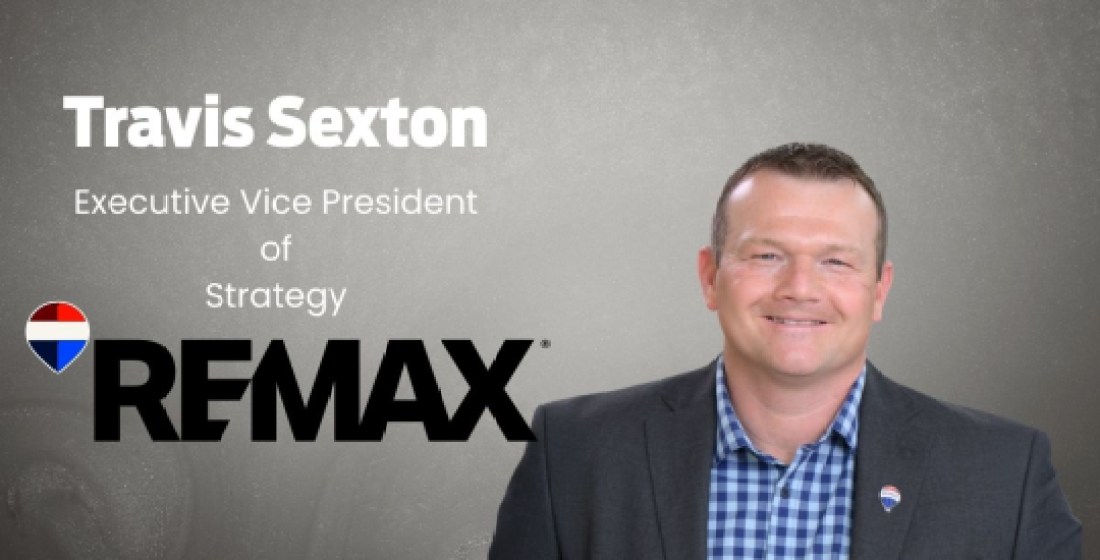
RE/MAX accelerates real estate innovation with AI and technology
RE/MAX is accelerating the integration of AI and cutting-edge technology to transform how agents engage with clients, generate leads, and deliver results. Initiatives like Max AI, MaxRefer, MaxEngage, and HomeView leverage real-time data, personalized marketing, and AI-driven tools to streamline the homeownership experience and empower its agents. Leading this innovation is Travis Saxton, EVP of Strategy at RE/MAX, who has spearheaded the rollout of these technologies, including AI-powered training through Sky AI and SkyStudio, redefining the future of real estate by combining human connection with next-generation tools.
Nov 17, 2025 3:44 am
Latest Articles

From resilience to antifragility: Rethinking cybersecurity for real estate and mortgage professionals
In information security, we’ve long spoken about resilience. The goal has been to withstand an attack, recover quickly, and return to business as usual. But in today’s environment—where attackers adapt and evolve daily—resilience is no longer enough. We must go further. We must embrace antifragility.
-
From local to global: RE/MAX’s Chris Lim on the next era of real estate relationships
-
Stop marketing like it’s 2008: You’re invisible
-
RE/MAX accelerates real estate innovation with AI and technology
-
Retirement plans for small-business owners have visible generational gaps
-
VA loans rise as housing market shifts toward buyers
Paul Jackson is the former publisher and CEO at HousingWire.see full bio