2 minute read
For those industry professionals that have worked in default management for any meaningful period of time, you learn pretty quick that borrowers facing the loss of their home will do some strange things — after all, it is a pretty personal event. Taking all appliances out is a pretty common sight; I personally can’t recall how many REO files I’ve seen where the former owner removed water heaters and stoves before packing up and leaving. So, too, is punching holes in drywall. Unfortunately, arson is relatively common among defaults, too. And with foreclosures on the rise, the number of arson cases is rising as well. Enough to catch the attention of Bloomberg News, even. Bloomberg quotes James Quiggle, a spokesman for the Coalition Against Insurance Fraud in Washington, as saying that national arson statistics for 2007 — due out shortly — will likely show a strong rise. Thus far, evidence from insurers for increased arson incidence has been anecdotal at best. “Home arsons follow foreclosure trends, with a lag,” Quiggle is quoted as saying. “We’re facing a potential spike in arson like we’ve never seen before.” Which, of course, means that hazard insurers are facing a spate of claims like they’ve never seen before; and, by extensions, lenders and servicers are likely to see a number of rejected claims that they’ve never seen before. HW has heard from a few servicers, who have said that their claims management teams are having to fight pretty hard to ensure that insurers pay out on the policies. Some insurers have already gone to the full-court press on the issue, refusing claims payments and forcing banks to take their complaints into court. HW published a contributed story in March from an attorney on the front lines with Wilson & Associates, PLLC, a creditor’s rights firm that operates in Tennessee, that looked at one such case involving US Bancorp (USB) and Tennessee Farmers Mutual Insurance Company. In that case, the hazard policy stipulated that Farmers be informed of any increase in hazard by the servicer, and when the borrower defaulted, the bank did not notify the insurer. When the house burned down and the insurer found out the borrower had defaulted on the mortgage, they refused to pay the claim. An initial ruling favored the insurer, but the Tennessee Supreme Court was set to hear an appeal on the matter. Disclosure: The author held no positions in USB when this story was originally published. HW reporters and writers follow a strict disclosure policy, the first in the mortgage trade.

Paul Jackson is the former publisher and CEO at HousingWire.see full bio
Most Popular Articles
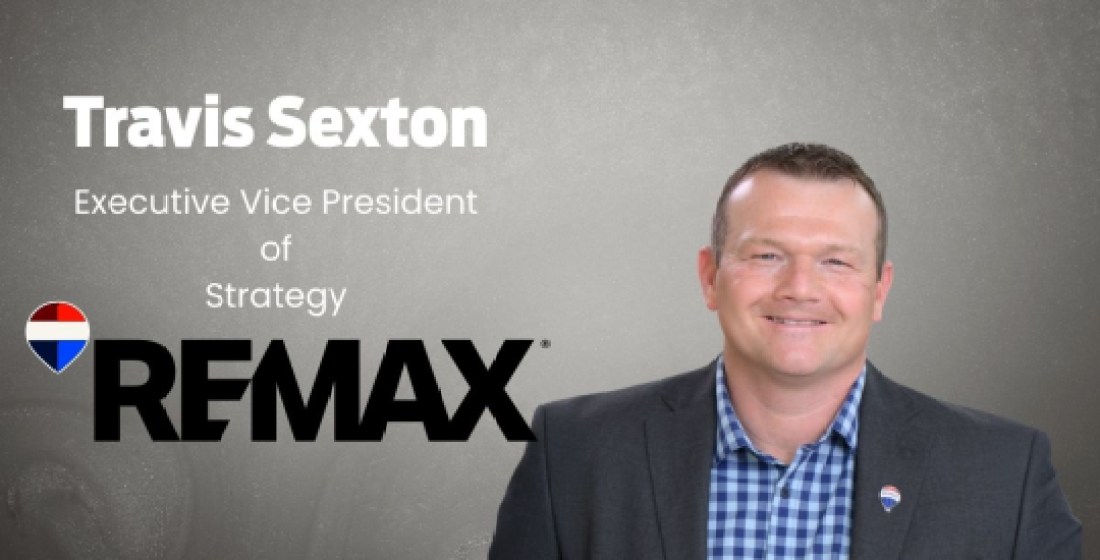
RE/MAX accelerates real estate innovation with AI and technology
RE/MAX is accelerating the integration of AI and cutting-edge technology to transform how agents engage with clients, generate leads, and deliver results. Initiatives like Max AI, MaxRefer, MaxEngage, and HomeView leverage real-time data, personalized marketing, and AI-driven tools to streamline the homeownership experience and empower its agents. Leading this innovation is Travis Saxton, EVP of Strategy at RE/MAX, who has spearheaded the rollout of these technologies, including AI-powered training through Sky AI and SkyStudio, redefining the future of real estate by combining human connection with next-generation tools.
Nov 17, 2025 3:44 am
Latest Articles

From resilience to antifragility: Rethinking cybersecurity for real estate and mortgage professionals
In information security, we’ve long spoken about resilience. The goal has been to withstand an attack, recover quickly, and return to business as usual. But in today’s environment—where attackers adapt and evolve daily—resilience is no longer enough. We must go further. We must embrace antifragility.
-
From local to global: RE/MAX’s Chris Lim on the next era of real estate relationships
-
Stop marketing like it’s 2008: You’re invisible
-
RE/MAX accelerates real estate innovation with AI and technology
-
Retirement plans for small-business owners have visible generational gaps
-
VA loans rise as housing market shifts toward buyers
Paul Jackson is the former publisher and CEO at HousingWire.see full bio