2 minute read
Hours ahead of the anticipated release of preliminary stress test results, the US banking industry, public and media are keeping an eye on the skies and an ear tuned for a telltale peal of thunder to signal a downfall of negative results for banks deemed under-capitalized by regulators. The technicians and examiners behind the stress tests have conducted a range of litmus tests, microscopic scrutinies and x-ray studies to determine the health of banking entities, and depending on whom controls the intercom at the moment, today’s announcements may or may not prove devastating. Federal Reserve officials are slated to deliver preliminary results to financial firm representatives in a series of meetings today, unnamed sources told Bloomberg News. Details are widely expected for public dissemination on May 4, after banks have a chance to discuss — and possibly dispute — the results with regulators. The Fed also plans to release stress test methods to the public today, although no announcement had been made before this story went to press. A new set of “tougher” standards on capital reserves following the stress tests may potentially force under-capitalized firms to sell ownership stakes to the government if private investors are unwilling to provide capital, unnamed sources told the Washington Post. The government may either swap preferred shares already owned for common shares, or infuse banks with additional federal money if outside capital cannot be raised, the Post‘s sources said. A draft report from the Financial Stability Oversight Board obtained by the Wall Street Journal indicates the Fed and Treasury Department officials see a substantial government ownership stake in some troubled banks, although such an arrangement would be temporary, as complete ownership “is not an objective.” Any kind of ownership, however, would undermine the position often reinforced by regulators that total government control of the banking industry is unnecessary, and likely reinforce public view of U.S. banks as sickly. It remains unclear just how long such an ownership situation may last at capital-impaired firms. Write to Diana Golobay at diana.golobay@housingwire.com.

Diana Golobay was a reporter with HousingWire through mid-2010, providing wide-ranging coverage of the U.S. financial crisis. She has since moved onto other roles as a writer and editor.see full bio
Most Popular Articles
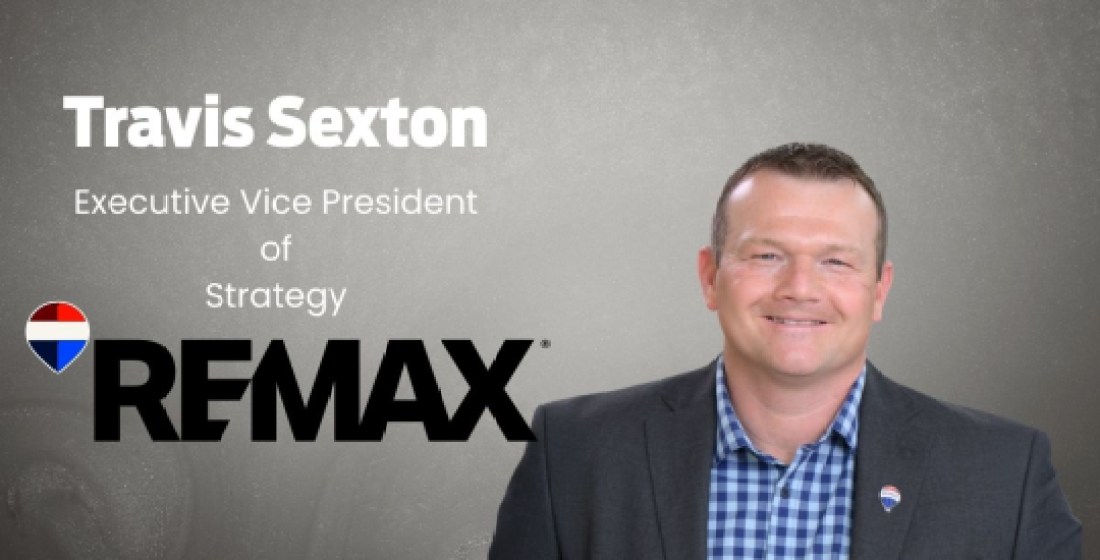
RE/MAX accelerates real estate innovation with AI and technology
RE/MAX is accelerating the integration of AI and cutting-edge technology to transform how agents engage with clients, generate leads, and deliver results. Initiatives like Max AI, MaxRefer, MaxEngage, and HomeView leverage real-time data, personalized marketing, and AI-driven tools to streamline the homeownership experience and empower its agents. Leading this innovation is Travis Saxton, EVP of Strategy at RE/MAX, who has spearheaded the rollout of these technologies, including AI-powered training through Sky AI and SkyStudio, redefining the future of real estate by combining human connection with next-generation tools.
Nov 17, 2025 3:44 am
Latest Articles

From resilience to antifragility: Rethinking cybersecurity for real estate and mortgage professionals
In information security, we’ve long spoken about resilience. The goal has been to withstand an attack, recover quickly, and return to business as usual. But in today’s environment—where attackers adapt and evolve daily—resilience is no longer enough. We must go further. We must embrace antifragility.
-
From local to global: RE/MAX’s Chris Lim on the next era of real estate relationships
-
Stop marketing like it’s 2008: You’re invisible
-
RE/MAX accelerates real estate innovation with AI and technology
-
Retirement plans for small-business owners have visible generational gaps
-
VA loans rise as housing market shifts toward buyers
Diana Golobay was a reporter with HousingWire through mid-2010, providing wide-ranging coverage of the U.S. financial crisis. She has since moved onto other roles as a writer and editor.see full bio