

 2 minute read
American International Group (AIG) (AIG) earned its first quarterly profit since the third quarter of 2007, after a year and a half of posting losses. The insurance giant gathered $1.8bn in net income or $2.30 per diluted common share for Q209. The earnings come after a $5.4bn net loss in the second quarter of 2008, according to a corporate release. The net income for its property and casualty insurance operation dropped 40% down to $1.02bn, compared to $1.7bn in the second quarter of 2008. The decline reflects a slip in underwriting profit as the combined ratio increased to 98.2 from 92.2 a year ago, meaning that for every dollar collected in premiums, $0.98 went to pay claims and expenses. The property-casualty business, long known as AIU, changed its name to Chartis in July. Though officially separate from AIG, Chartis is expected to be sold. Since the end of 2008, AIG Financial Products (AIGFP) reduced its derivative portfolio by 17% from $1.6trn to roughly $1.3trn. In Q209 alone, they shaved 13% from the portfolio, according to the release. AIG chairman and CEO Edward Liddy points to continued reductions in risk of the AIGFP portfolio among others, but that the financial services arm reports a $132m operating loss for the quarter. That is down from a $6.2bn loss in the second quarter of 2008. The Q209 loss included $636m in unrealized market valuation gains on its super senior default swap portfolio. AIG reports $62.1bn in total equity, an $8.9bn increase from March 31, 2009, but their total balance owed to the Federal Reserve Bank of New York credit facility stands at $44.8bn. AIG still has $41.6bn outstanding of Series E Preferred Stock pursuant to an agreement with the US Department of Treasury under the Troubled Asset Relief Program (TARP). “The primary drivers of our positive second quarter results were reductions in net realized capital losses, primarily due to the decline in other than temporary impairments resulting from the adoption of new accounting guidance and improved market conditions,” Liddy says in the release. Write to Jon Prior.

Jon Prior was a reporter with HousingWire through late 2012.see full bio
Most Popular Articles
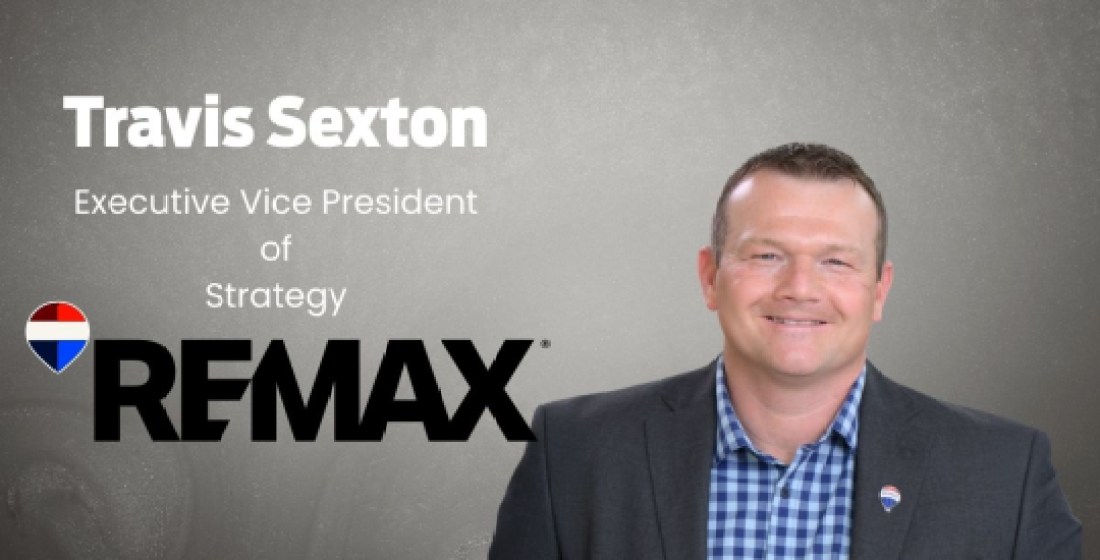
RE/MAX accelerates real estate innovation with AI and technology
RE/MAX is accelerating the integration of AI and cutting-edge technology to transform how agents engage with clients, generate leads, and deliver results. Initiatives like Max AI, MaxRefer, MaxEngage, and HomeView leverage real-time data, personalized marketing, and AI-driven tools to streamline the homeownership experience and empower its agents. Leading this innovation is Travis Saxton, EVP of Strategy at RE/MAX, who has spearheaded the rollout of these technologies, including AI-powered training through Sky AI and SkyStudio, redefining the future of real estate by combining human connection with next-generation tools.
Nov 17, 2025 3:44 am
Latest Articles

From resilience to antifragility: Rethinking cybersecurity for real estate and mortgage professionals
In information security, we’ve long spoken about resilience. The goal has been to withstand an attack, recover quickly, and return to business as usual. But in today’s environment—where attackers adapt and evolve daily—resilience is no longer enough. We must go further. We must embrace antifragility.
-
From local to global: RE/MAX’s Chris Lim on the next era of real estate relationships
-
Stop marketing like it’s 2008: You’re invisible
-
RE/MAX accelerates real estate innovation with AI and technology
-
Retirement plans for small-business owners have visible generational gaps
-
VA loans rise as housing market shifts toward buyers
Jon Prior was a reporter with HousingWire through late 2012.see full bio


