Fannie Mae
The Federal National Mortgage Association, or as it’s more commonly known as, Fannie Mae, has a history that dates back to the Great Depression in the 1930s. Established by the U.S. Congress in 1938, the enterprise was born out of a need for more financial security in the housing market after the Great Depression resulted in a surge of foreclosures. The National Housing Act of 1934, which established the Federal Housing Administration (“FHA”) and the Federal Savings and Loan Insurance Corporation, was amended in 1938 to not only create Fannie Mae but also Fannie’s counterpart, the Federal Home Loan Mortgage Corporation, better known as Freddie Mac.
Fast forward to 2008 and the two enterprises were forced into the spotlight again during the Great Recession. Between an increasing number of people getting mortgages with little to no credit, a fast-growing supply of vacant homes on the market from borrowers going into default and many other factors that collided together, America’s economy was in trouble and Fannie Mae and Freddie Mac were at the center of it. In the aftermath of this, the United States government stepped in and put the enterprises under conservatorship, which is how they still operate today, acting now as government-sponsored enterprises.
In today’s market, Fannie Mae buys and guarantees mortgages, working with lenders in the secondary market, meaning they don’t actually originate or service the mortgages. Overseen by the Federal Housing Finance Agency, which was created in 2008 to supervise the two enterprises, Fannie Mae now operates to ensure the availability of affordable mortgage loans and maintain the 30-year, fixed-rate mortgage.
While talks heightened under the Trump Administration to remove both GSEs from conservatorship, the Biden Administration has shown no interest in continuing down that road. Instead, the current acting director, Sandra Thompson, is focused on achieving greater affordability in the housing market, expanding access to credit in underserved communities, fair lending and safety and soundness in the housing space.
Latest Posts
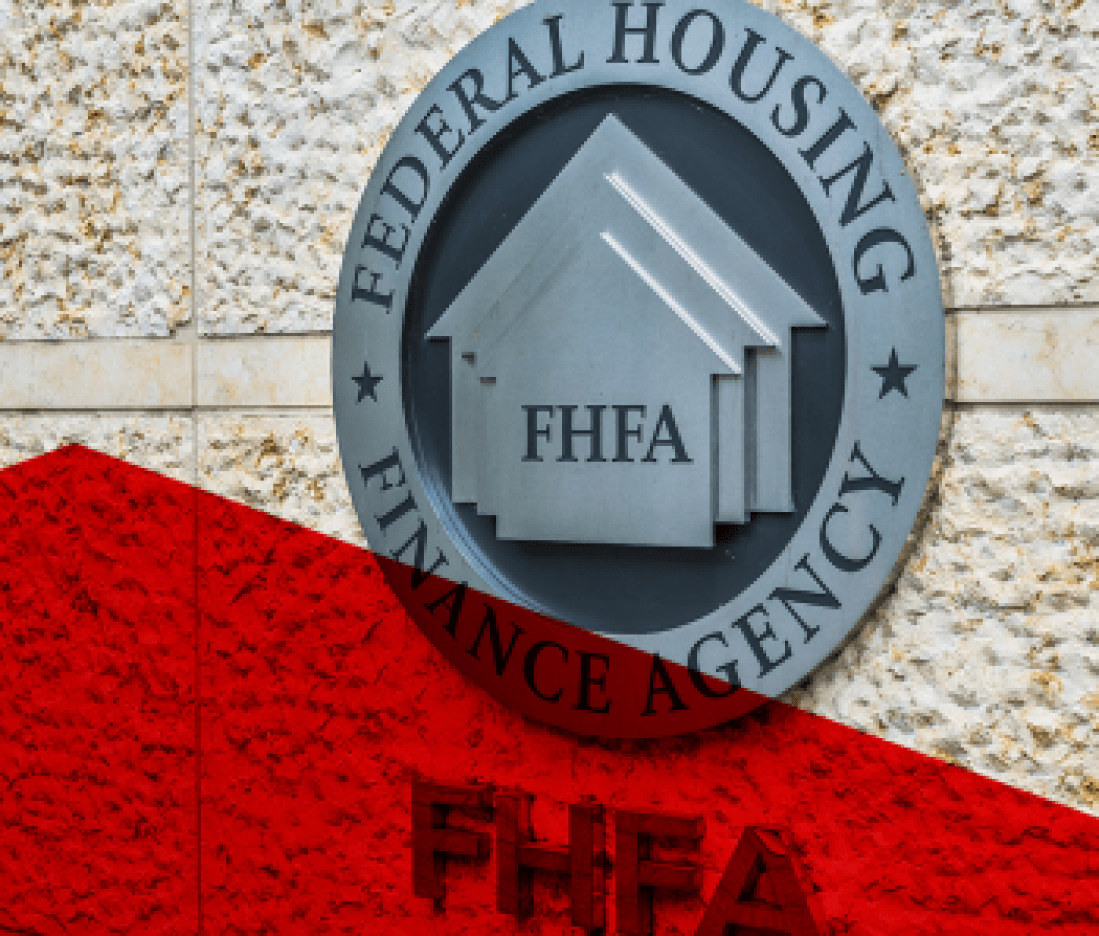
FHFA opens fintech office and seeks feedback on mortgage fintech
Jul 19, 2022The FHFA this week launched a new Office of Financial Technology, which it said will be the main point of contact for fintech matters.
-
MSR market picks up in Q3 where Q2 left off: Hot
Jul 15, 2022 -
Manufactured housing’s trek toward acceptance
Jul 13, 2022 -
The hybrid appraisal is here. Who benefits?
Jul 12, 2022 -
Fannie Mae housing equity plan won’t expand credit box
Jul 07, 2022 -
8 of 10 consumers: “Economy is on the wrong track”
Jul 07, 2022 -
FHFA to increase GSE fourth-party oversight
Jul 06, 2022 -
After 50 bps fee backlash, FHFA will review capital rule
Jul 01, 2022 -
Freddie Mac to include on-time rent in underwriting
Jun 29, 2022 -
Fannie Mae finalizes first nonperforming loan sale of the year
Jun 28, 2022 -
FHFA: No delay on 50 bps fee, but open to “engagement”
Jun 23, 2022