
 1 minute read
Bank of America (BAC) said Friday it will no longer originate reverse mortgages as it continues to shake up its core business. A reverse or Home Equity Conversion Mortgage allows the borrower, who must be at least 62 years old, to convert a portion of the equity in the home for cash. No repayment is required until the borrower no longer uses the home as a principal residence or does not meet the obligations of the loan. BofA entered into the business in 2006 and expanded its footprint when it acquired Reverse Mortgage of America in 2007 and Countrywide Financial Corp. a year later. But with the sale of the Countrywide subsidiary Balboa Insurance Co. and the creation of a unit dedicated to servicing legacy nonperforming mortgages, the bank has moved in a stark direction this week away from what these acquisitions used to do. According to the Texas Mortgage Bankers Association, there are more than 72,000 reverse mortgages outstanding in the U.S. The loans are touted as a way to aid senior citizens struggling under the rising cost of living. But these loans are not without their risks. Former Florida Attorney General Bill McCollum warned senior citizens in 2008 about several scams that target them directly. Predatory lenders, he said, can often engage in deceptive practices and use high-pressure sales tactics to steer borrowers into “inappropriate loans.” “We made the strategic decision to exit the reverse business due to competing demands and priorities that require investments and resources be focused on other key areas of our business,” said Doug Jones, consumer sales and institutional mortgage services executive for Bank of America’s home loan division. Write to Jon Prior. Follow him on Twitter: @JonAPrior

Jon Prior was a reporter with HousingWire through late 2012.see full bio
Most Popular Articles
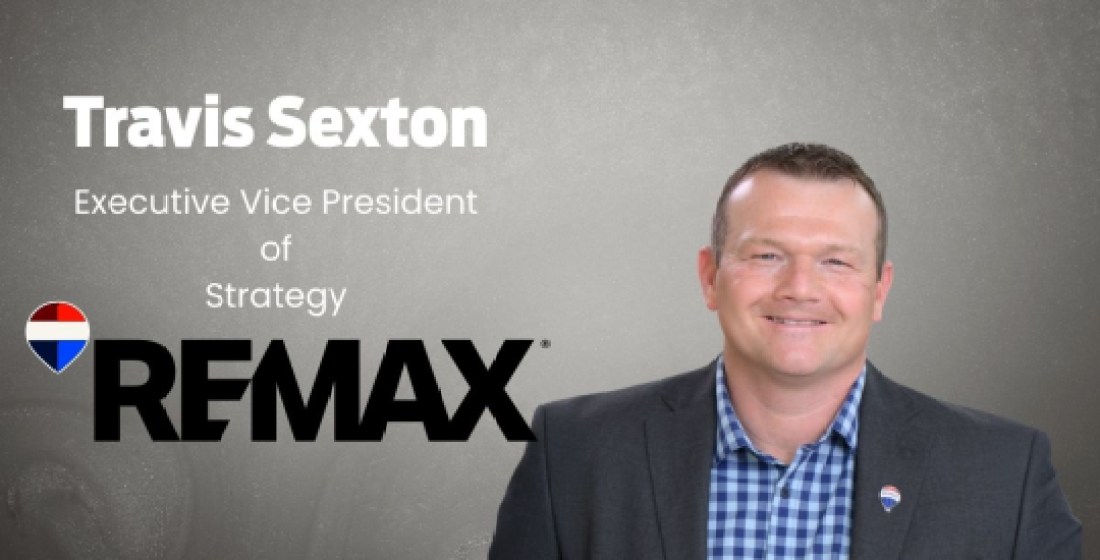
RE/MAX accelerates real estate innovation with AI and technology
RE/MAX is accelerating the integration of AI and cutting-edge technology to transform how agents engage with clients, generate leads, and deliver results. Initiatives like Max AI, MaxRefer, MaxEngage, and HomeView leverage real-time data, personalized marketing, and AI-driven tools to streamline the homeownership experience and empower its agents. Leading this innovation is Travis Saxton, EVP of Strategy at RE/MAX, who has spearheaded the rollout of these technologies, including AI-powered training through Sky AI and SkyStudio, redefining the future of real estate by combining human connection with next-generation tools.
Nov 17, 2025 3:44 am
Latest Articles

From resilience to antifragility: Rethinking cybersecurity for real estate and mortgage professionals
In information security, we’ve long spoken about resilience. The goal has been to withstand an attack, recover quickly, and return to business as usual. But in today’s environment—where attackers adapt and evolve daily—resilience is no longer enough. We must go further. We must embrace antifragility.
-
From local to global: RE/MAX’s Chris Lim on the next era of real estate relationships
-
Stop marketing like it’s 2008: You’re invisible
-
RE/MAX accelerates real estate innovation with AI and technology
-
Retirement plans for small-business owners have visible generational gaps
-
VA loans rise as housing market shifts toward buyers
Jon Prior was a reporter with HousingWire through late 2012.see full bio